
Centred around Rynek Glówny (Main Market Square), Kraków’s Old Town boasts grand architecture, striking churches and some fabulous museums.
The city’s historic heart dates back to the 10th century when it became an important trading centre in Central Europe.

The city’s status was elevated in 1257 when it was awarded the Magdeburg Rights, which gave it certain trading privileges and tax benefits.
In 1978, Kraków’s historic centre (made up of the Old Town and Wawel Hill) was named a UNESCO World Heritage Site, one of the first sites to be awarded the distinction.
Here’s a round-up of some of the most notable things to see and do in Kraków’s Old Town…
Cloth Hall

The impressive 16th century Cloth Hall lies at the heart of the Main Market Square.
While the ground floor features stalls selling traditional crafts, shops and cafés.
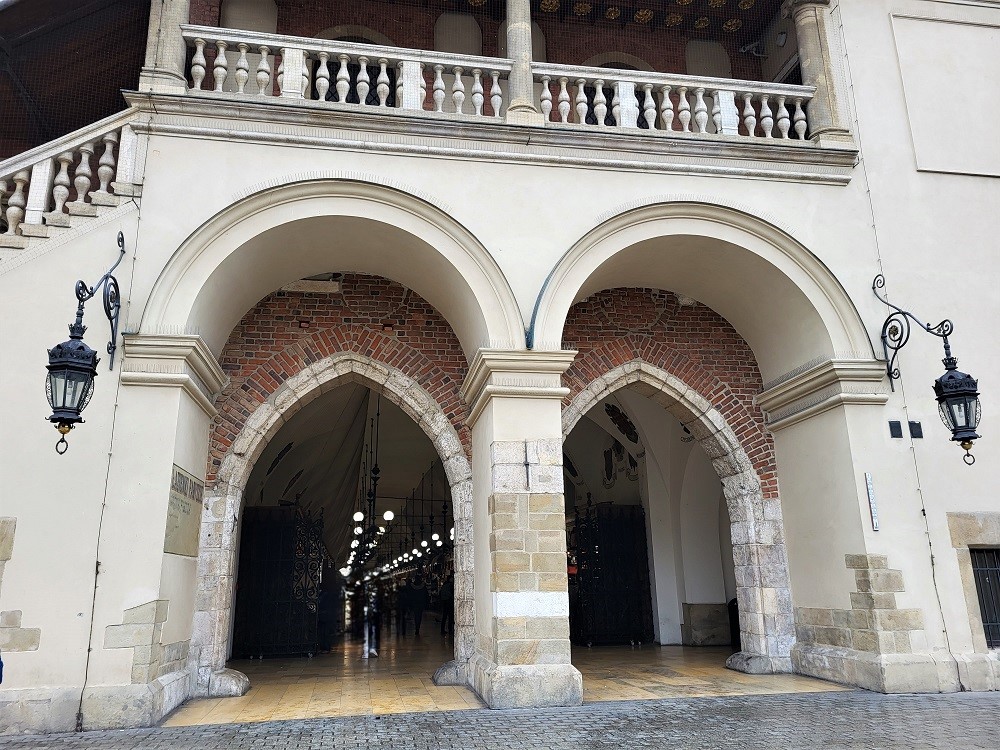
The top floor houses the Sukiennice Museum, otherwise known as the Gallery of 19th Century Polish Art.

The small, interesting museum revolves around four large rooms filled with 19th century Polish paintings and sculptures, and holds the biggest permanent collection of 19th century Polish art.

If you’re visiting the museum, make sure you check your bags and your coat (if you have one) into the cloakroom to avoid a telling off.
Town Hall Tower

Kraków’s lonely, but beautiful Gothic Town Hall Tower is all that remains of the city’s 14th century town hall, which was demolished in the 19th century.

Standing at 70m tall and leaning some 55cm, the tower is today home to a small museum about the city’s history (above).

There isn’t much to see in the museum, but the top floor boasts some lovely views over Kraków (above).
St Mary’s Basilica

One of the most iconic sites in Kraków, St Mary’s Basilica stands on the edge of the Main Market Square.
Instantly recognisable thanks to its twin towers of differing heights, the Gothic church dates back to the 13th century.
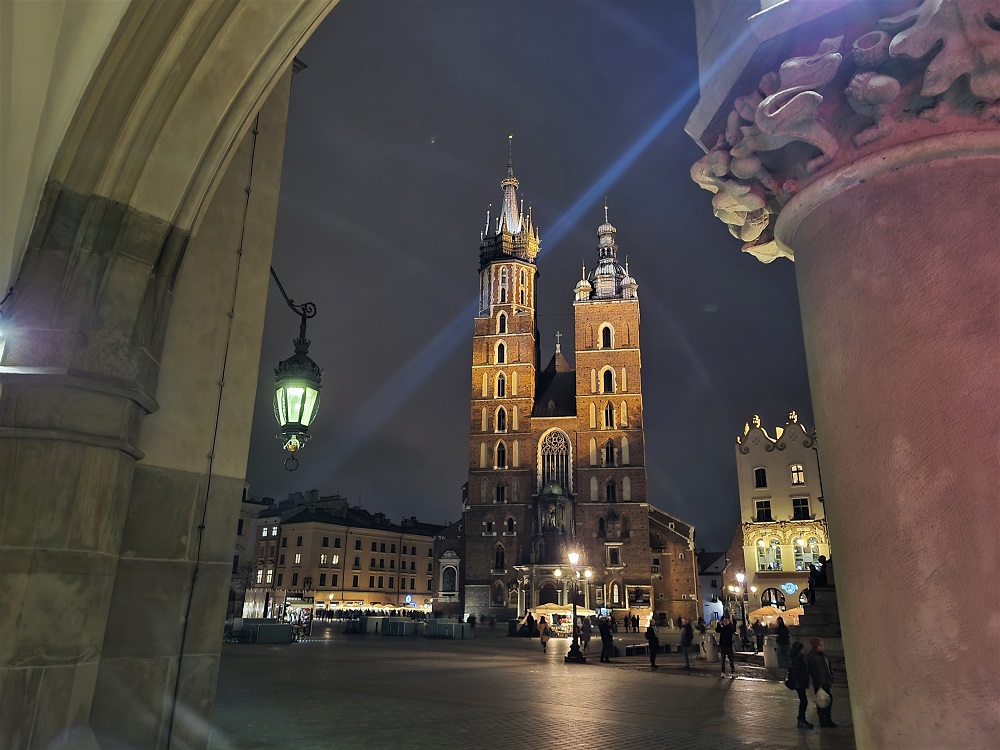
The tallest tower, which stands at 82m high, is known as the Bugle Call Tower because it used be the city’s watchtower.
The smaller South Tower, which was finished in the 16th century, is 13m shorter at 69m high and is home the basilica’s bells.
St Barbara’s Church

Around the corner from the showstopping St Mary’s Basilica, you’ll find the much smaller, but rather charming St Barbara’s Church.
The church, which was also built in the Gothic style, dates back to the 14th century. Queen Jadwiga was one of its patrons.
Collegium Maius

As the alma mater of astronomer Nicolaus Copernicus, aka the man who discovered the Earth revolves around the Sun, the fabulous Collegium Maius is well worth a visit.

Founded in the 15th century, Collegium Maius is part of Kraków’s Jagiellonian University, Poland’s oldest university, and is home to its museum.

The small museum showcases a number of artifacts belonging to the university, including various scientific instruments and treasures.

The fascinating museum looks like something from the pages of a Harry Potter novel thanks to its Gothic dark wood interiors, sumptuous furnishings and whimsical decorative touches.

One of my favourite rooms was the eye-catching libraria, the university’s old library (above).

A few rooms are named after the university’s professors, such as this room dedicated to the historian and author Ambrose Grabowski (above).
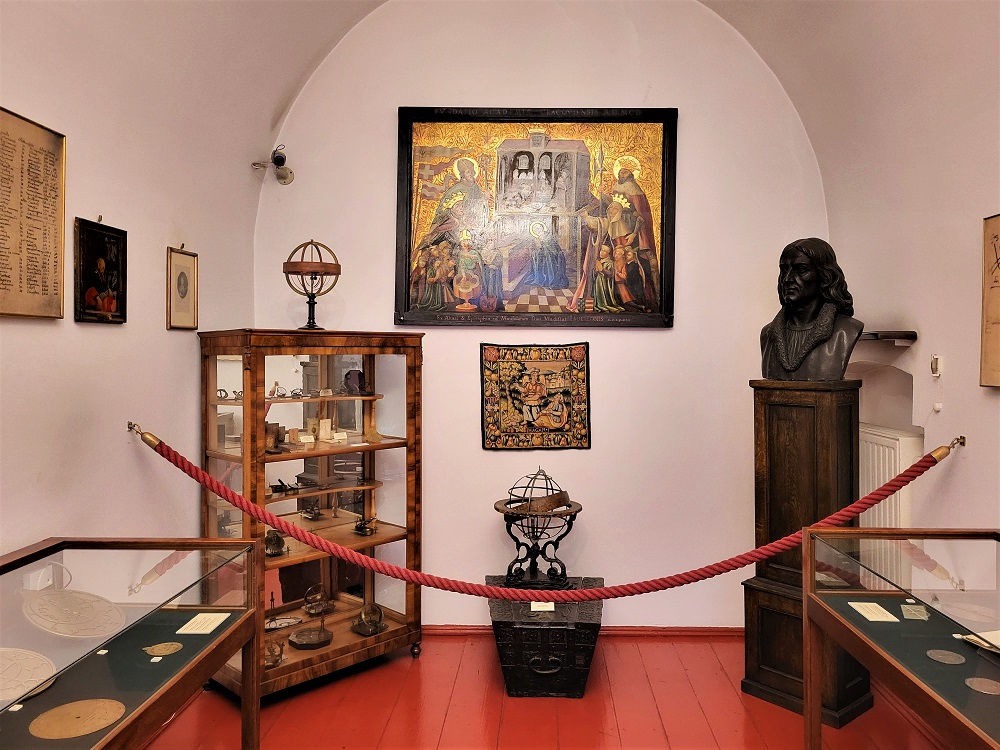
Copernicus, who studied at the university between 1491 and 1495, also has his own room and unsurprisingly, it’s filled with astronomy-related artifacts (above).
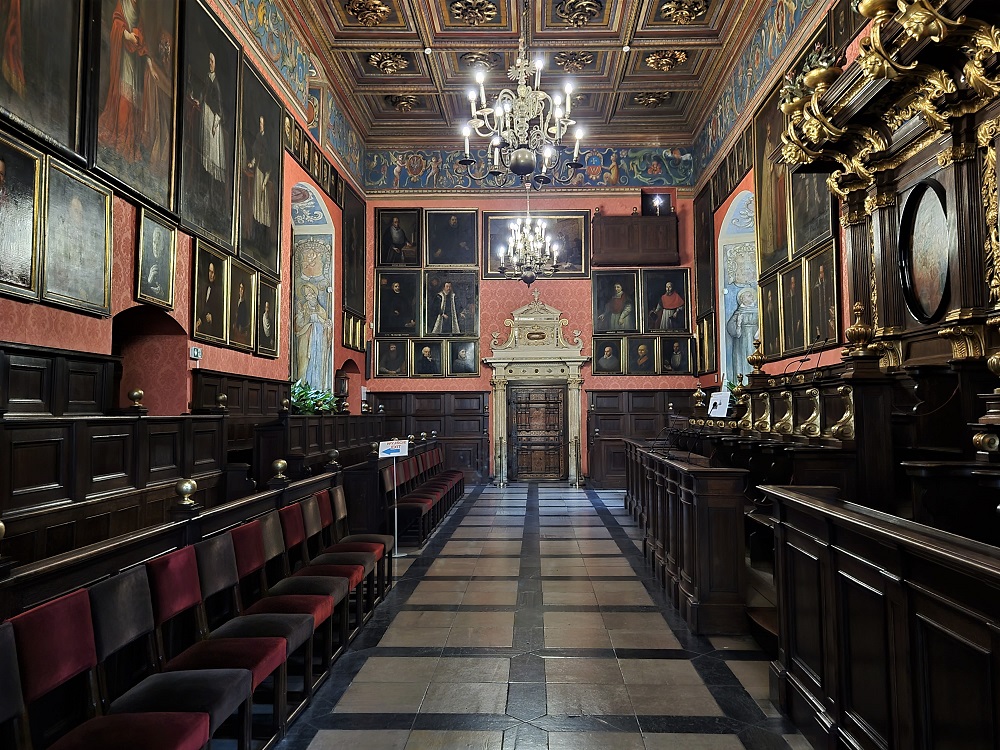
Not to be missed is the magnificent Jagellonian Hall (above), which is lined with portraits of notable people connected to the university.

I had a little trouble finding the entrance to the museum, so in case anyone else has the same problem, you go in via this door (above) on the first floor of the cloisters.
Jama Michalika Café

Grand Jama Michalika Café on busy Florianska Street (above) is a Kraków staple.
Dating back to 1895, the café, which was once a popular place for the city’s artists and writers, witnessed the birth of Poland’s Art Nouveau scene.
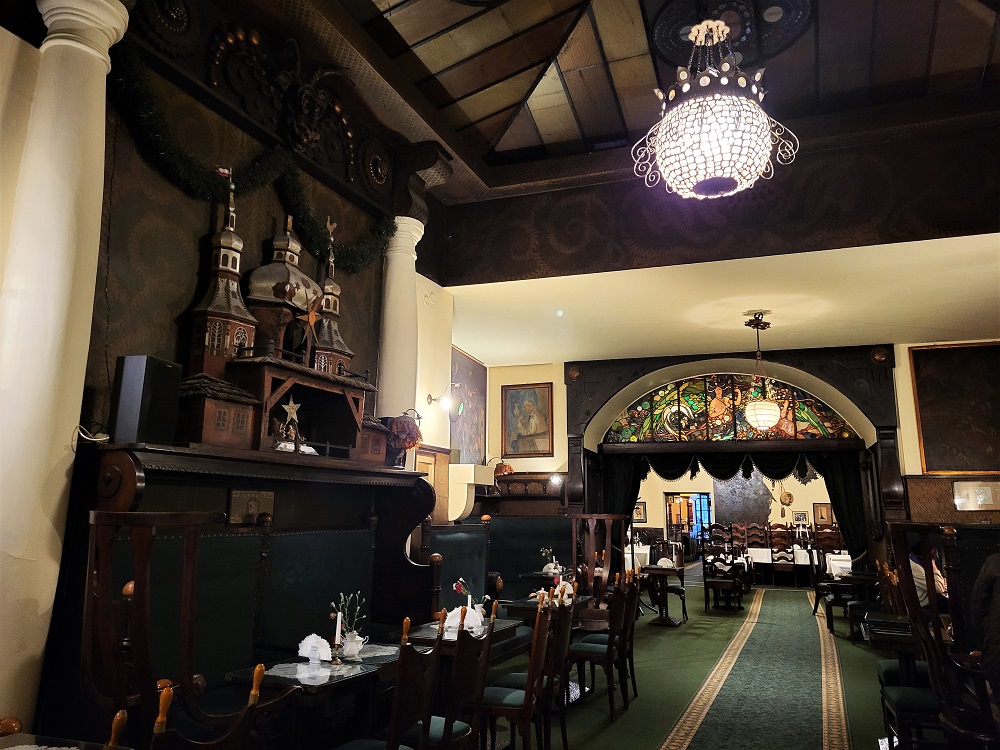
Serving traditional Polish fare, the café’s renowned for its distinctive Art Nouveau decor and stained glass windows (above).
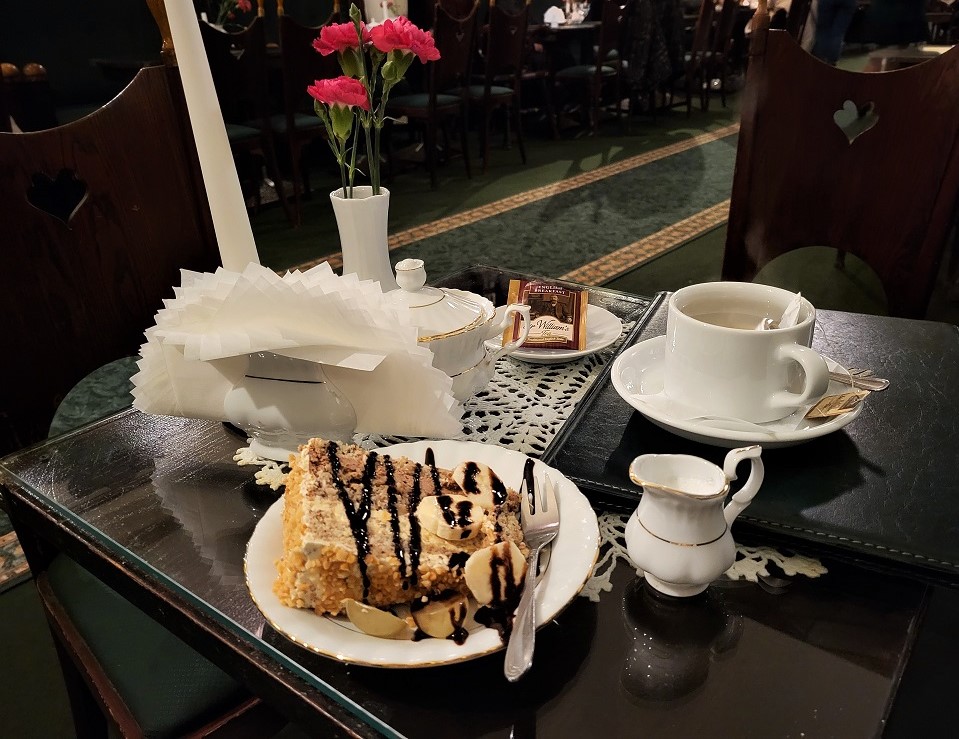
The food is great, too, and I thoroughly enjoyed this slice of Wawel hazelnut torte served with fresh banana, grapes and chocolate sauce (above).
Czartoryski Museum

The Czartoryski Museum may look unassuming from the outside, but Poland’s first-ever museum is packed with priceless European and Asian artworks and treasures.
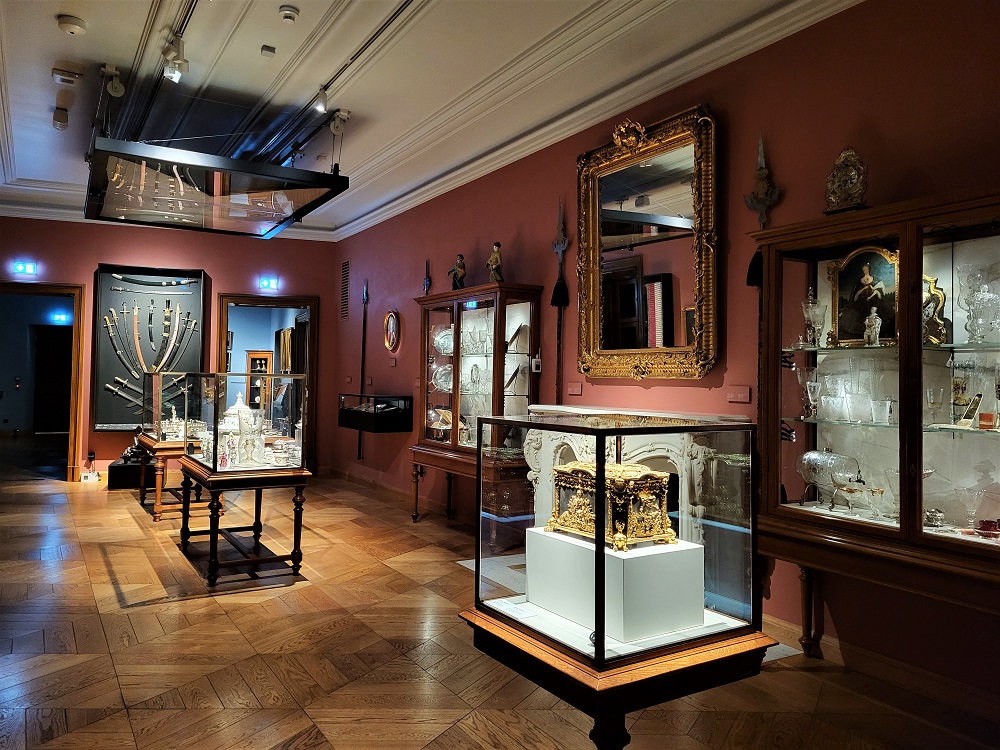
Set over two floors and 26 rooms, the elegant museum houses the collection of Polish Princess Isabella Czartoryska (1746 to 1835).
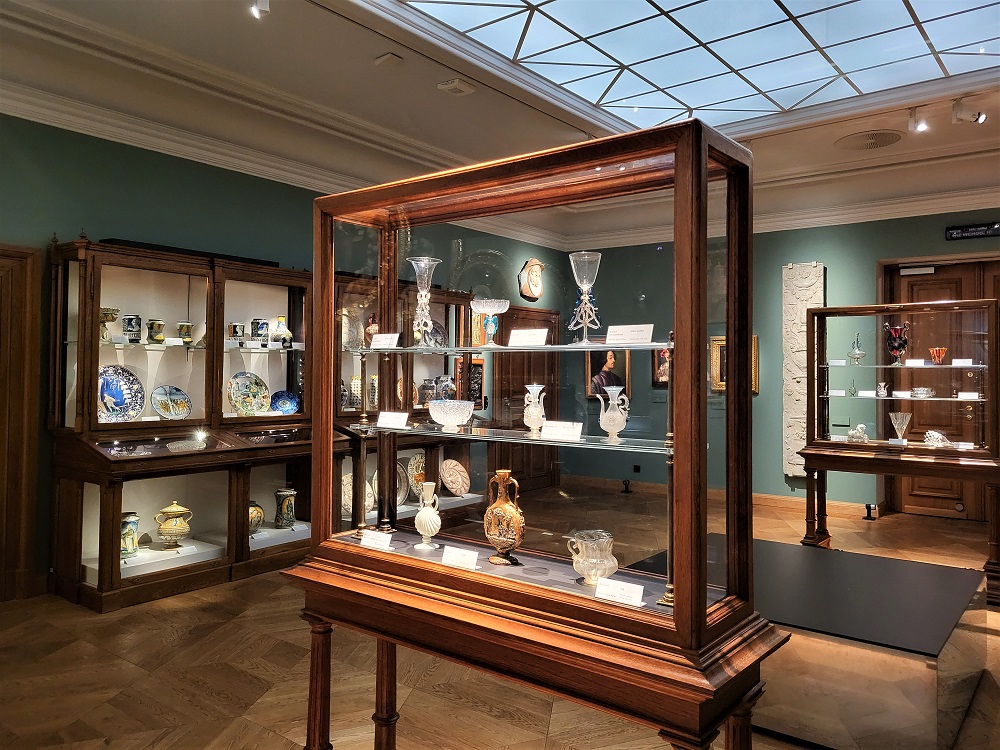
Originally opened in 1878, the museum underwent an extensive renovation throughout the 2010s, reopening in December 2019, three years after Isabella’s descendent Prince Adam Karol Czartoryski donated it to the Polish state.

The museum features all sorts of magnificent paintings, sculptures and treasures, including armour, glassware, porcelain and textiles.

The star of the collection is Leonardo da Vinci’s Lady with an Ermine, which was bought by Isabella’s son Prince Adam Jerzy Czartoryski while he was travelling around Italy in 1798.
Other notable works of art include Rembrandt van Rijn’s The Good Samaritan.
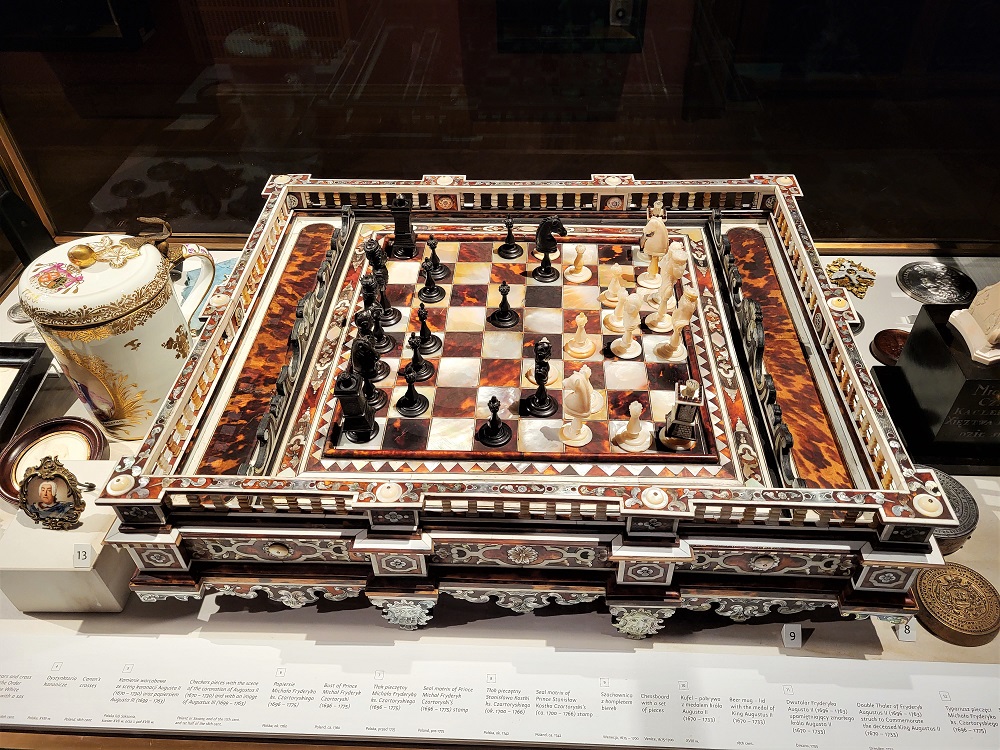
The whole collection’s delightful, but some of my favourite pieces included this exquisite chess set (above) and this spectacular ship-shaped cup (below).
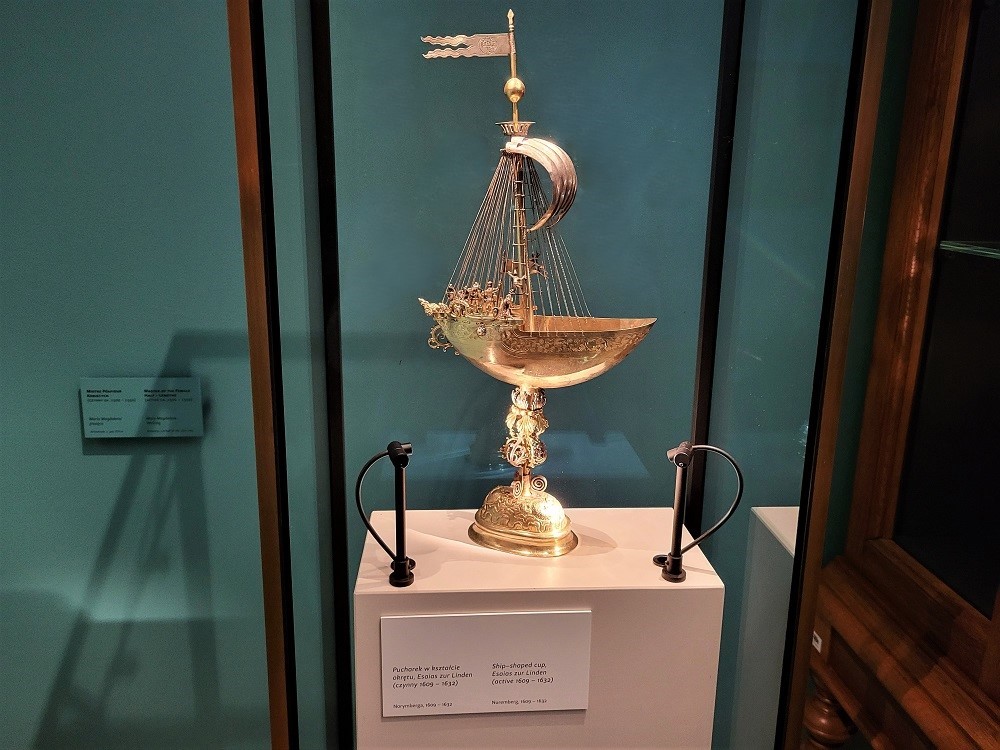
I can’t recommend the Czartoryski Museum highly enough. It’s utterly superb and, along with Collegium Maius, one of the highlights of my trip to Kraków.
Rynek Underground

Underneath the Cloth Hall, you can learn all about Kraków’s history at Rynek Underground.

Set amid the tunnels beneath the Main Market Square, the interactive attraction, which opened in September 2010, recreates some of the key moments from the city’s long history.
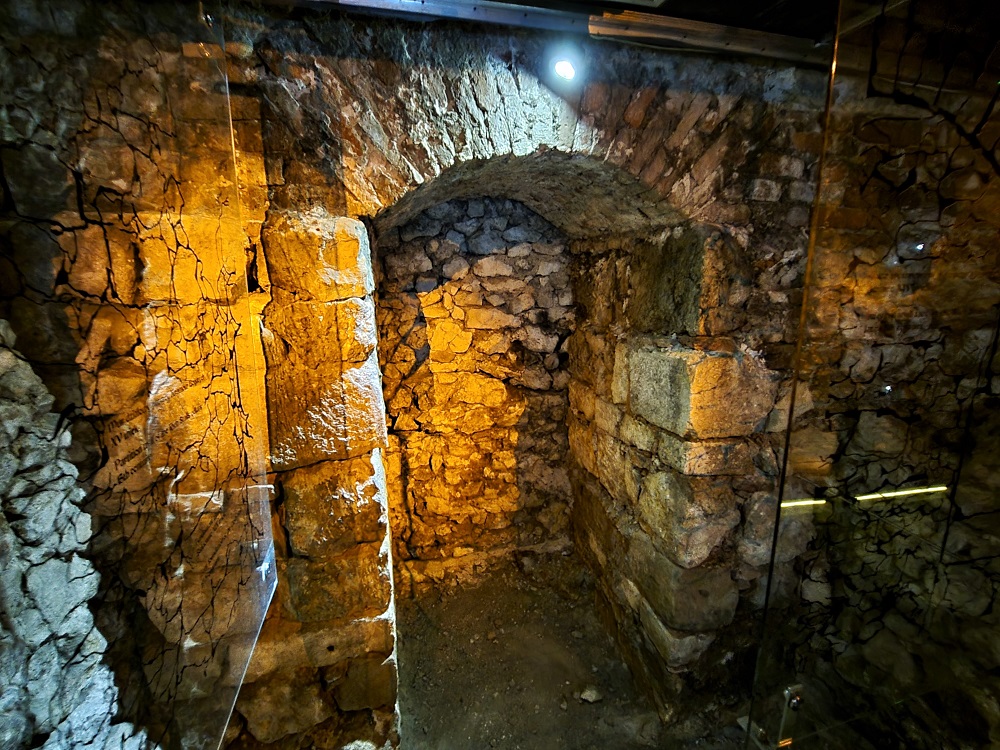
Although you can’t wander through the underground tunnels, you can see their remains (above), along with various ancient artifacts discovered in the area.
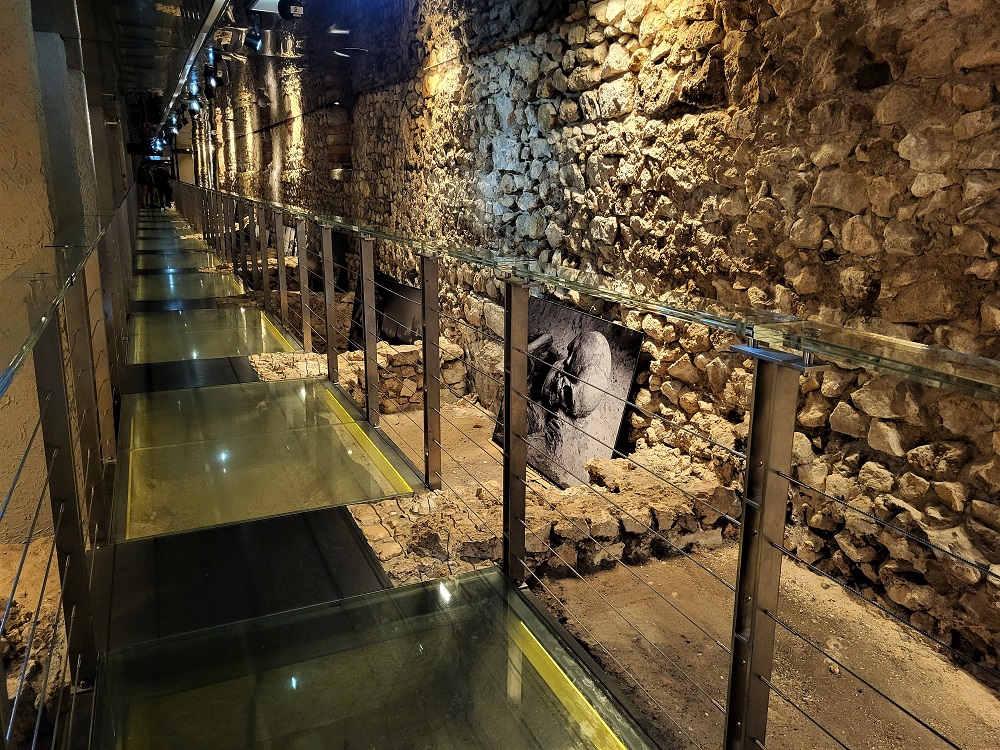
Be aware, the attraction is really popular, so to help manage visitor numbers you have to pre-book your tickets.
 Little Old World
Krakow seems to be full of hidden gems of interesting and beautiful places 🙂 great tour through this city and all it has to offer
LikeLiked by 1 person
Thanks Meg! There were lots of interesting places to visit, the museums in particular were excellent. It’s a very pretty city 🙂
LikeLiked by 1 person
Krakow looks very attractive! I just checked and Jet2 flies direct from Glasgow and EasyJet from Edinburgh so you never know!
LikeLiked by 1 person
It’s a beautiful city! If you do decide to hop on a plane to Krakow some day, I hope you have a wonderful time 😀
LikeLiked by 1 person
Love all the gothic places you’ve shown the best and the cafe looks grand and stylish. 🙂
LikeLiked by 1 person
The architecture’s lovely in Krakow and a nice mix of different styles. But the Gothic buildings really stood out. The cafe was great 😀
LikeLiked by 1 person
Looks like an amazing city. I can’t wait to visit one day.
LikeLiked by 1 person
I hope you have a fab time when you do visit 🙂
LikeLike
The architecture in Krakow’s Old Town looks beautiful. I love the views from the top of Town Hall Tower.
LikeLiked by 1 person
The architecture in Kraków is very pretty. I particularly liked the churches and the differences in the architectural styles. The views from the top of the tower were great. It’s always nice to get an overview of where you are and see how the different places fit together.
LikeLiked by 1 person
We really liked Krakow. And the food was great too. Unfortunately, we didnt go inside Cloth hall museum
LikeLiked by 2 people
I’m glad you really liked Krakow! The food was superb and I enjoyed sampling the traditional dishes.
LikeLiked by 1 person