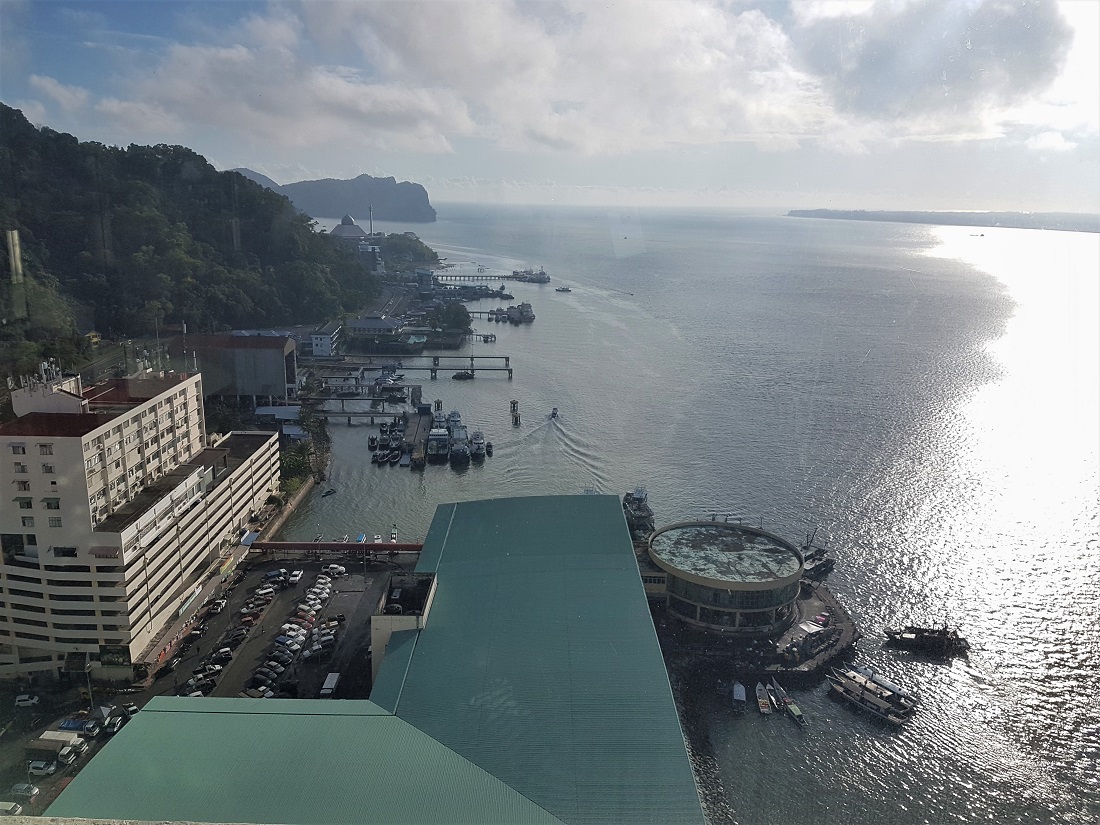
On the shores of the Sulu Sea in northern Borneo, you’ll find the city of Sandakan, home to more than 400,000 people.
The second biggest city in Sabah state, it’s the gateway to those looking to visit the wildlife in Sepilok and along the Kinabatangan River. But this seemingly ordinary city has a tragic past.
A former British colony and the capital of British North Borneo, the city was destroyed by the occupying Japanese forces and Allied bombing during the Second World War.
It was also the site of one of the cruelest atrocities in the Pacific War, and the unimaginable horrors that took place here are commemorated at the poignant Sandakan Memorial Park.
Sandakan Memorial Park

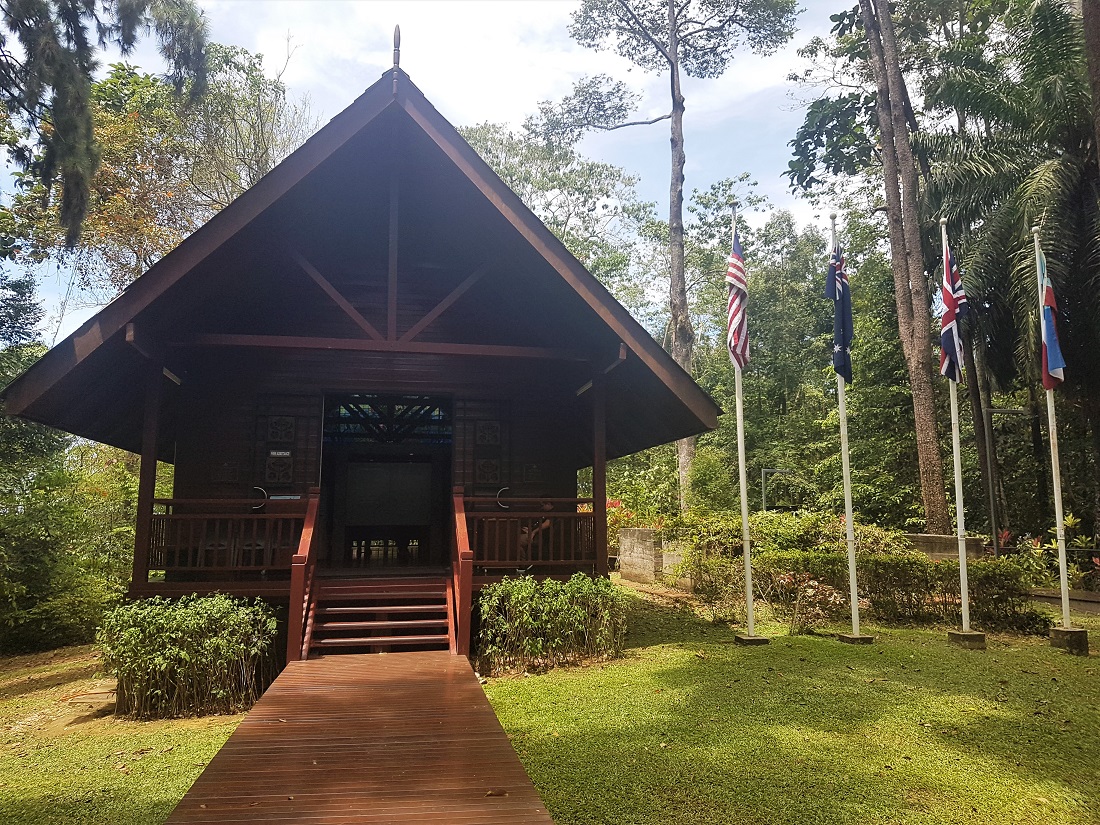
It’s hard to believe now, but this pretty, tranquil park was once a Japanese-run prisoner of war camp home to some 2,400 Australian and British POWs.
The prisoners of war lived in appalling conditions and were tortured by their captors. The park’s museum recounts their heartbreaking story (below).
As the end of the war approached, the increasingly desperate Japanese forced the camp’s surviving prisoners to take part in a death march through the searingly hot and humid Bornean jungle to Ranau, 280km away.
Of the 2,400 or so prisoners who set off, only six Australians survived, having escaped either en route or when they got to Ranau.
The men were beaten and starved during the journey, and those who could no longer continue were shot by the Japanese.

The museum goes into great detail about the horrific conditions endured by the prisoners in the camp and on the death march.
The stories of the men who escaped and survived were extraordinary. I was close to tears as I read the excerpts from their stories and learned about the depths of the cruelty and inhumanity that took place here.

After the war, the camp’s commander Captain Susimi Hoshijima was found guilty of war crimes and sentenced to death in January 1946.
I found it incredibly difficult to comprehend the horrors and the suffering that unfolded in this seemingly peaceful setting.
It was a sobering experience, and I had to take some time out afterwards to quietly contemplate what I’d learned.

Downtown Sandakan
In need of some quiet, reflective downtime, we spent the rest of the day relaxing at our hotel, the Four Point Sheraton, and looking around the adjoining shopping centre and seafront (below).

I got the impression Sandakan doesn’t have too many Western visitors as I seemed to be something of a novelty as I walked around, with the locals, especially the children, stopping and staring as I passed. Some even said a shy hello to me.

In the evening, we set off on a short tour of Sandakan, venturing inside the central market, where I marvelled at the incredible foods that were for sale.
We also stopped to look at a memorial to the soldiers from the Second World War and another dedicated to the British founder of Sandakan, William Burgess Pryer.

Having seen all there was to see, we made our way to a restaurant by the harbour, where we enjoyed a fantastic meal – spicy prawn curry with steamed rice, and a banana and pineapple juice.
Our visit to Sandakan was an emotional and poignant end to our time in Borneo.
But I was glad we’d visited the city and its memorial park, despite how upsetting it was, because it’s important we never forget the appalling atrocities that took place there.
 Little Old World
Tragic. I didn’t know about this.
LikeLiked by 1 person
It’s awful and so very sad. I didn’t know about it either before visiting the memorial park.
LikeLiked by 1 person
It must have been tough to visit Sandakan Memorial Park. I couldn’t agree more about it’s an important experience to visit places like this.
LikeLiked by 1 person
It was a difficult and sobering experience, but I’m glad we went as I wouldn’t have known about it otherwise.
LikeLiked by 1 person
I had exactly the same reaction to the Memorial Park. It is such a powerful place and made me reflect on the fact that very little has changed today. We still seem intent on killing each other and waging pointless wars. Thanks for the trip down memory lane. Mel
LikeLiked by 1 person
Thanks Mel. Powerful is a good way to describe the memorial park. It’s tragic that we don’t seem to have learned from episodes like this in history and that there’s still so much senseless violence and cruelty in the world.
LikeLiked by 1 person
Agreed.
LikeLiked by 1 person
What a sad chapter in the country’s history covered by a lovely park. Places like this are so uncomfortable but important to remember and honor those that were lost here.
LikeLiked by 1 person
Thanks Meg. It was a tragic and shameful series of events, but the park effectively and sensitively commemorates the great loss of life and the horrors that unfolded here.
LikeLiked by 1 person
What a horrendous place, but I’m so pleased it’s memorialised with such an informative and important museum. When researching my family tree, I discovered my husband’s grandfather endured the Japanese POW camps. He was taken from Singapore to build the Burma Railway and died on a death march aged 27. My husband had no idea and his family never spoke of it. Horrifying.
LikeLiked by 1 person
It’s a tragic and moving place, but the museum and memorial park commemorate the atrocities in a sensitive and informative way. Oh, I’m so sorry to hear that. That’s horrific and so very sad. My condolences to your husband and his family.
LikeLike
The park looks like a tranquil and peaceful place to spend an hour or so to reflect on the poignant events that occurred here all those years ago – the atrocities committed by the Japanese are horrendous! My heart usually breaks upon visiting such places, not to mention when I start reading about the appalling treatment and suffering of the prisoners and the senseless killing of people. Thanks for sharing, and have a good day 🙂 Aiva xx
LikeLiked by 1 person
It was such a tranquil park and an ideal place to reflect. I found it incredibly difficult and upsetting to read about the atrocities that took place there. It was so hard to wrap my head around the fact that human beings could be so unnecessarily cruel and inhumane to one another, and as you say, it’s just senseless.
LikeLiked by 1 person