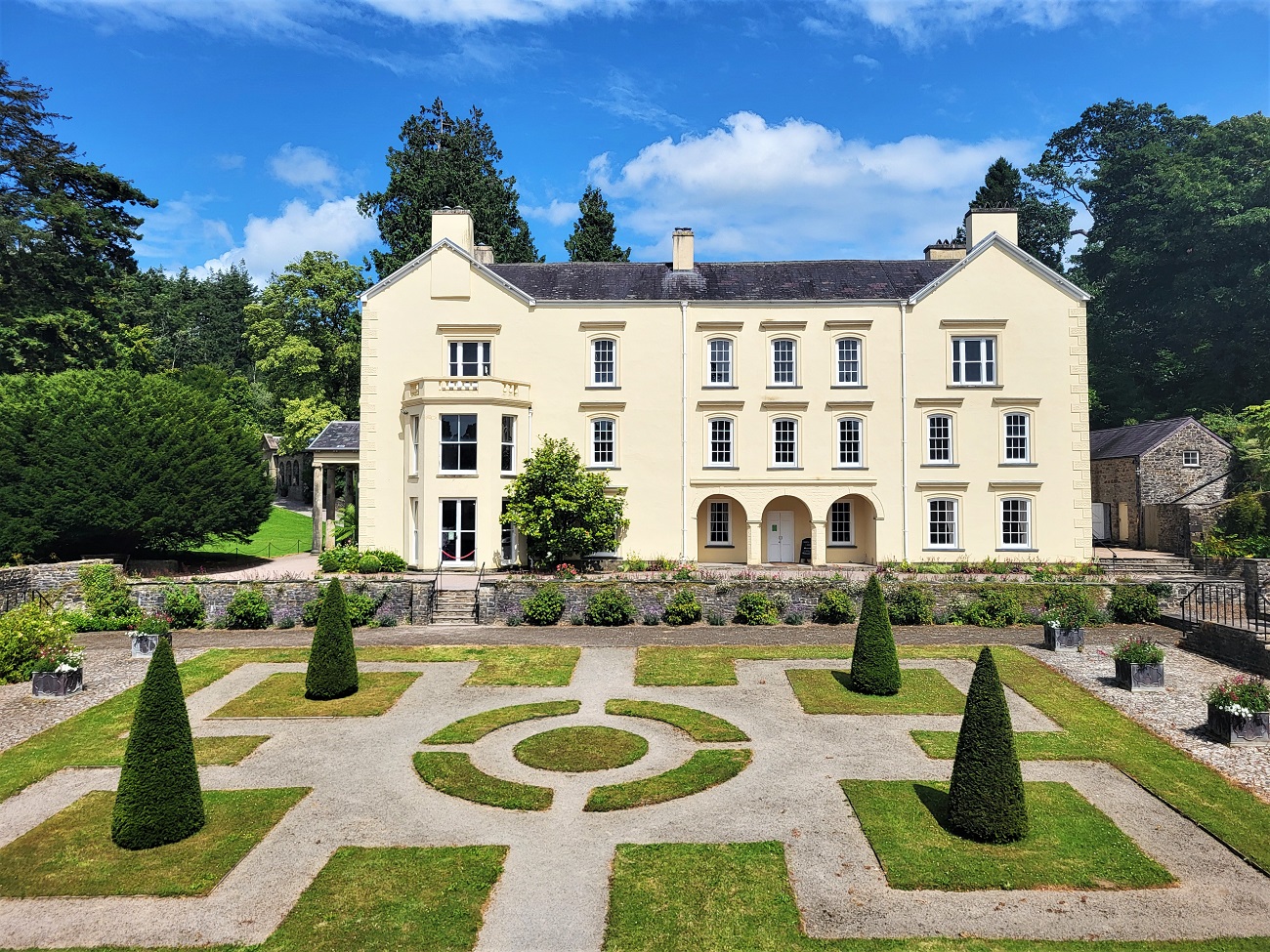
Over the summer, I planned a few day trips around my birthday, starting with Aberglasney Gardens in West Wales.
I first went to Aberglasney many moons ago as a teenager with my then-photography class, where I spent an amazing day taking a silly amount of photos.
One of my all time favourite images is from that day – a shot of the cloister garden, which my parents have on display in their kitchen.
I’d been keen to go back for a while to see how the gardens had changed over the years and last summer seemed the perfect time for a trip down memory lane.
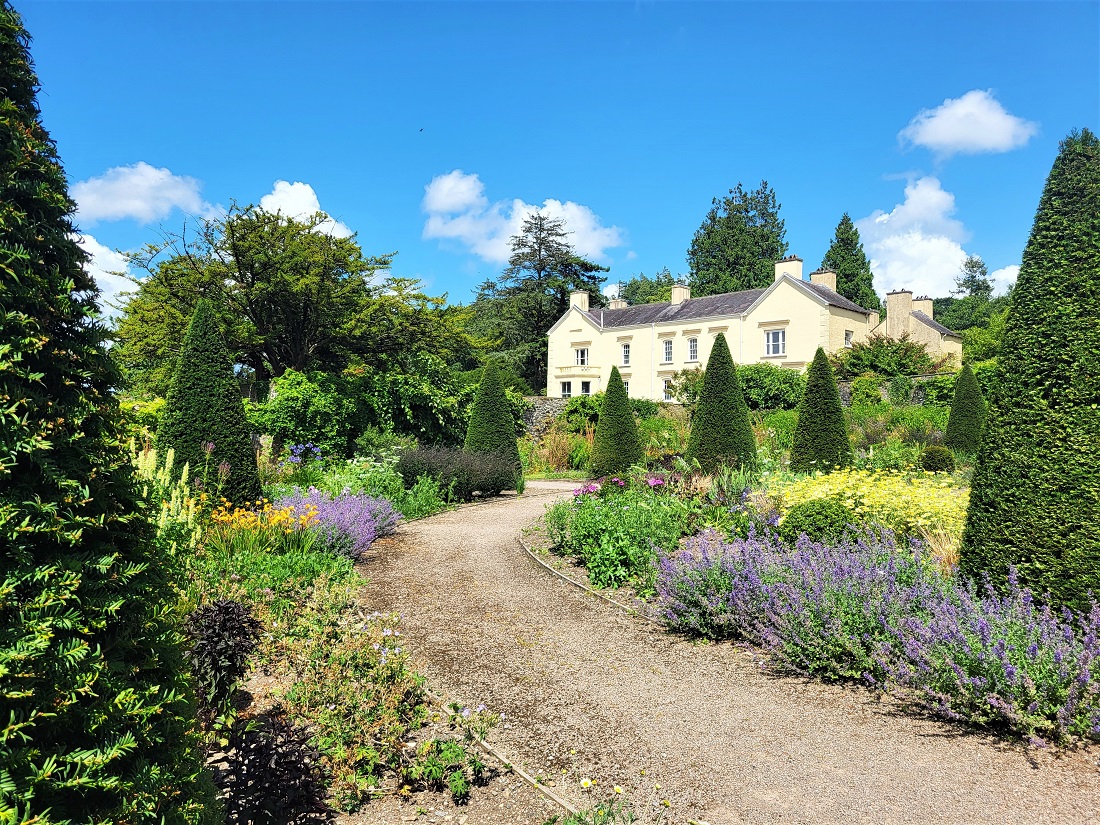
Nestled in the middle of nowhere in Carmarthenshire’s Towy Valley, Aberglasney is made up of 10 acres of gardens surrounding a Grade II listed mansion.
There are a variety of gardens to explore – from formal, perfectly laid out gardens to wilder spaces brimming with plants, shrubs and trees.
The estate is thought to have been founded in the 1540s, when Sir William Thomas was High Sheriff of Carmarthen.
Its next prominent owner was Anthony Rudd, Bishop of St Davids, in the early 17th century, who rebuilt the estate and added a cloister garden.
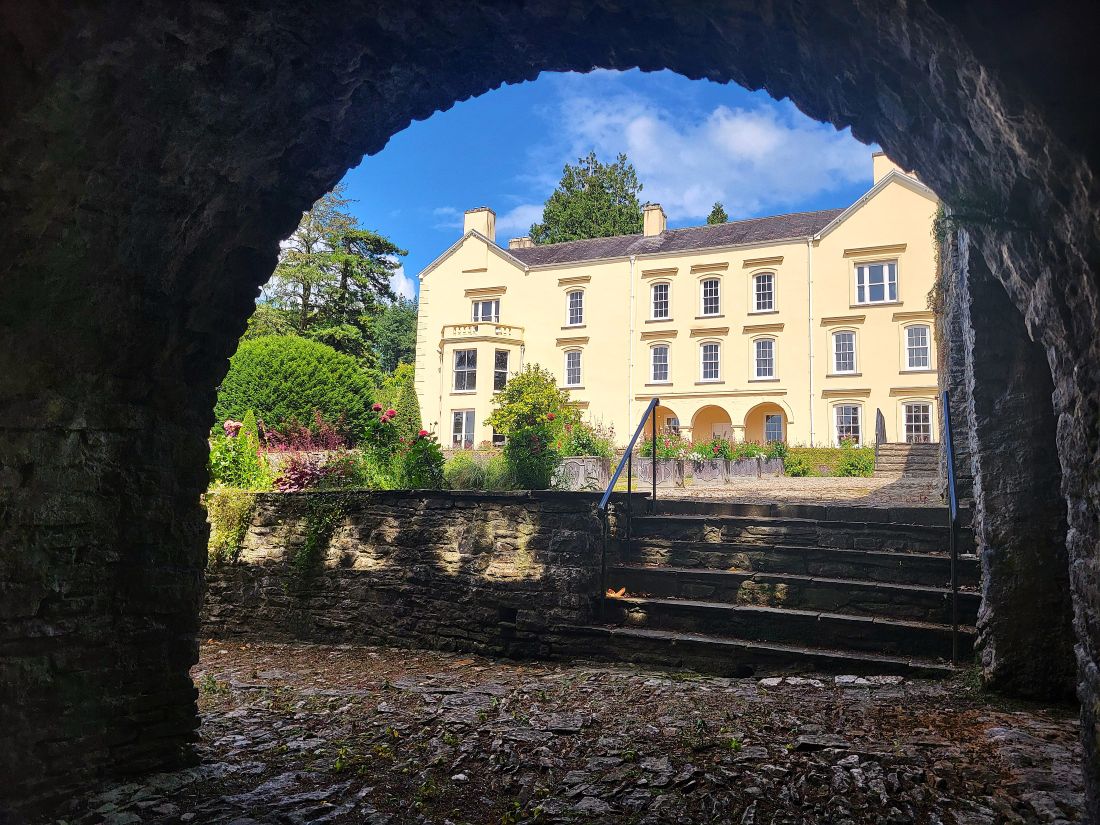
The house then changed hands multiple times, each family remodelling the house and gardens in their own style. The present mansion dates back to its 19th century owners, the Phillips and Walter Phillips families.
The following century, the estate was broken up and fell into decline.
But in 1995 the Aberglasney Restoration Trust started work to revive it, funded by the American millionaire Frank Cabot, a keen horticulturalist who founded the Garden Conservancy. Four years later it opened to the public.
It was a little after midday when I arrived at Aberglasney, and as someone who’s ruled by her stomach, I made a beeline for the gardens’ delightful tearoom.
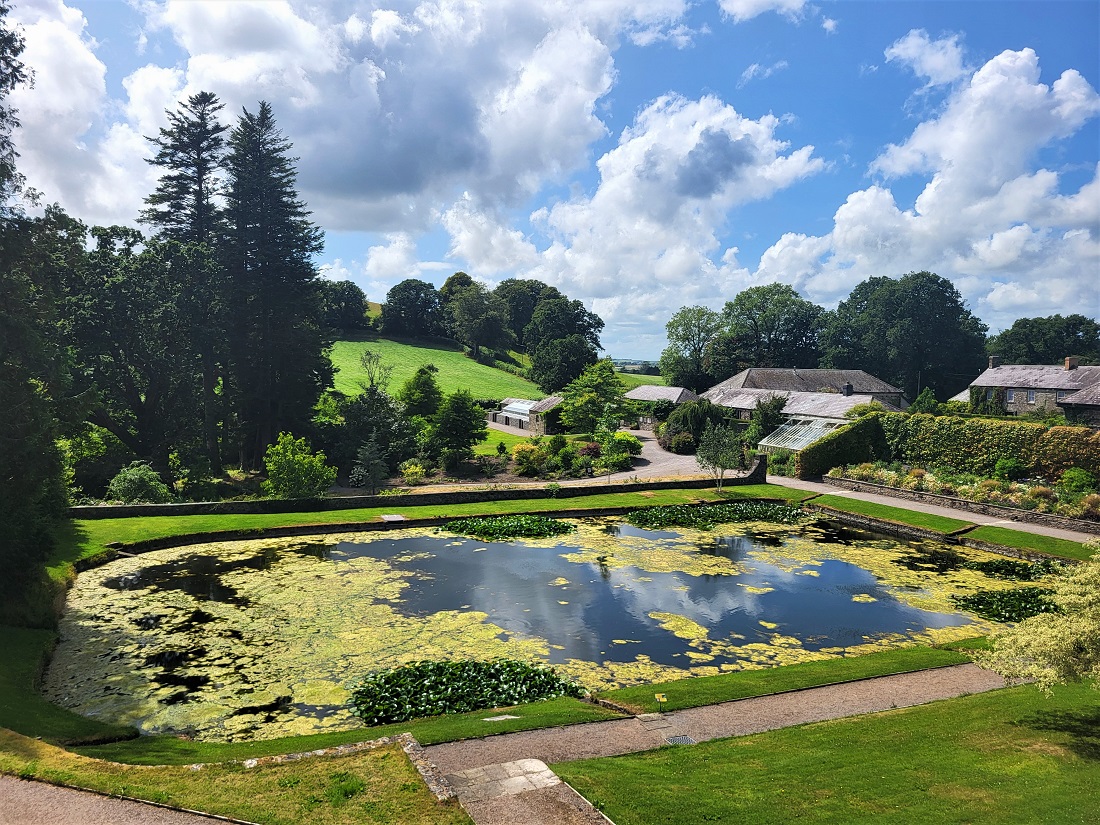
Located opposite the Pool Garden (above), the small café sells traditional fare such as sandwiches, toasties, jacket potatoes and cakes.
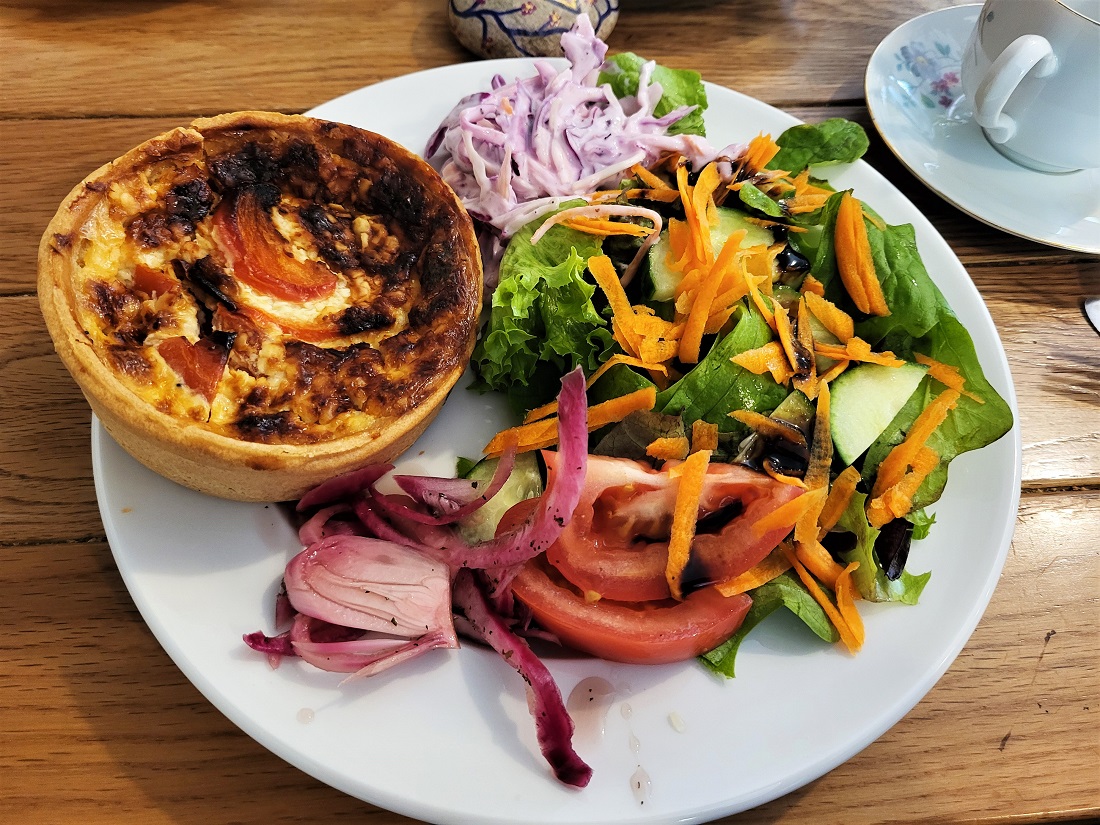
As it was my birthday week, I treated myself to a delicious cheese and tomato quiche served with salad and coleslaw (above) and a slice of toffee drizzle cake.
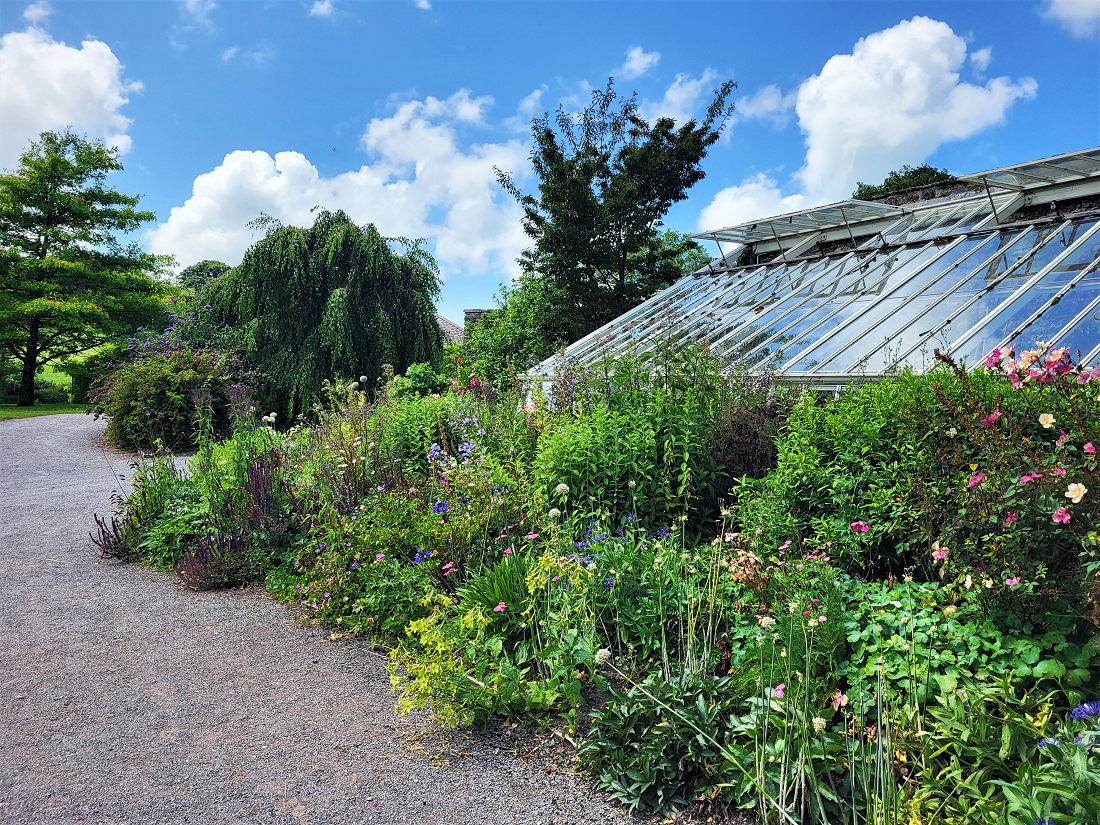
Extremely well sated, I set off to explore the gardens.
I started my tour by the tranquil Pool Garden, then ambled down to the Melon House (above), where I had a quick peek at the produce growing inside the greenhouse.
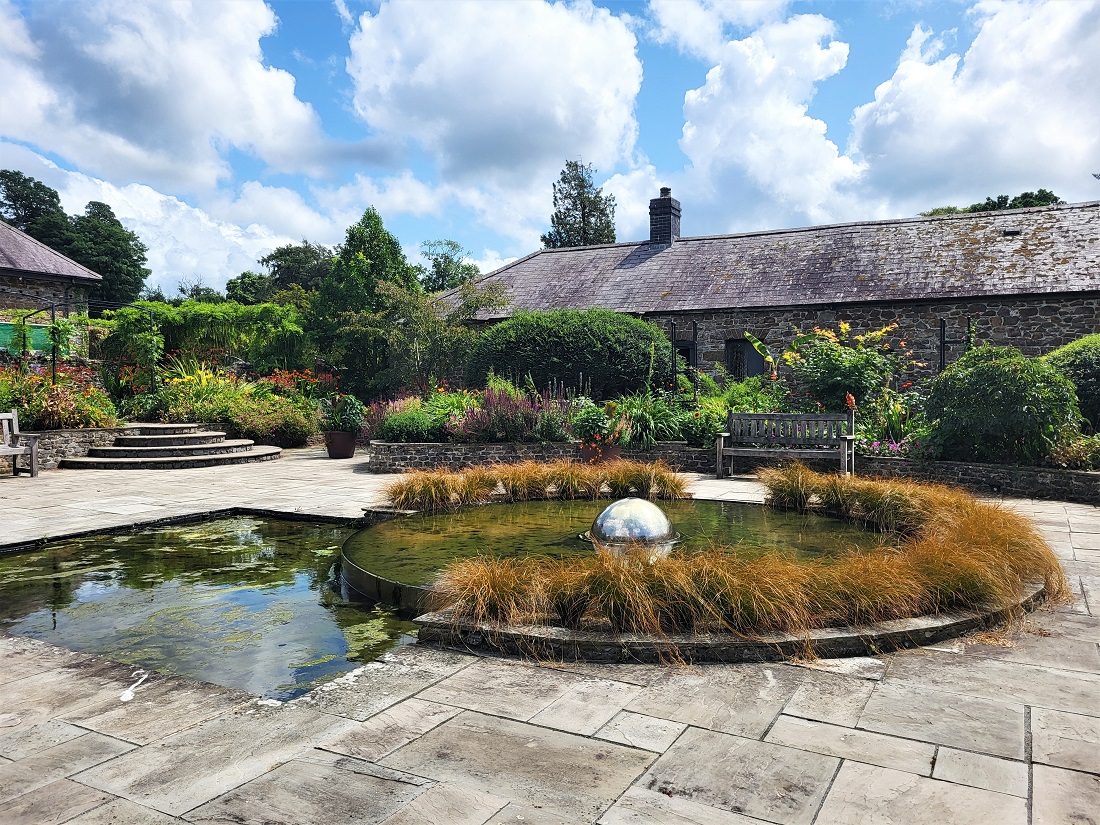
I then turned to the right, following the path under the wisteria arch to the Sunken Garden (above).
The small, peaceful garden is centred around a water feature and is a lovely spot in which to sit in quiet contemplation.
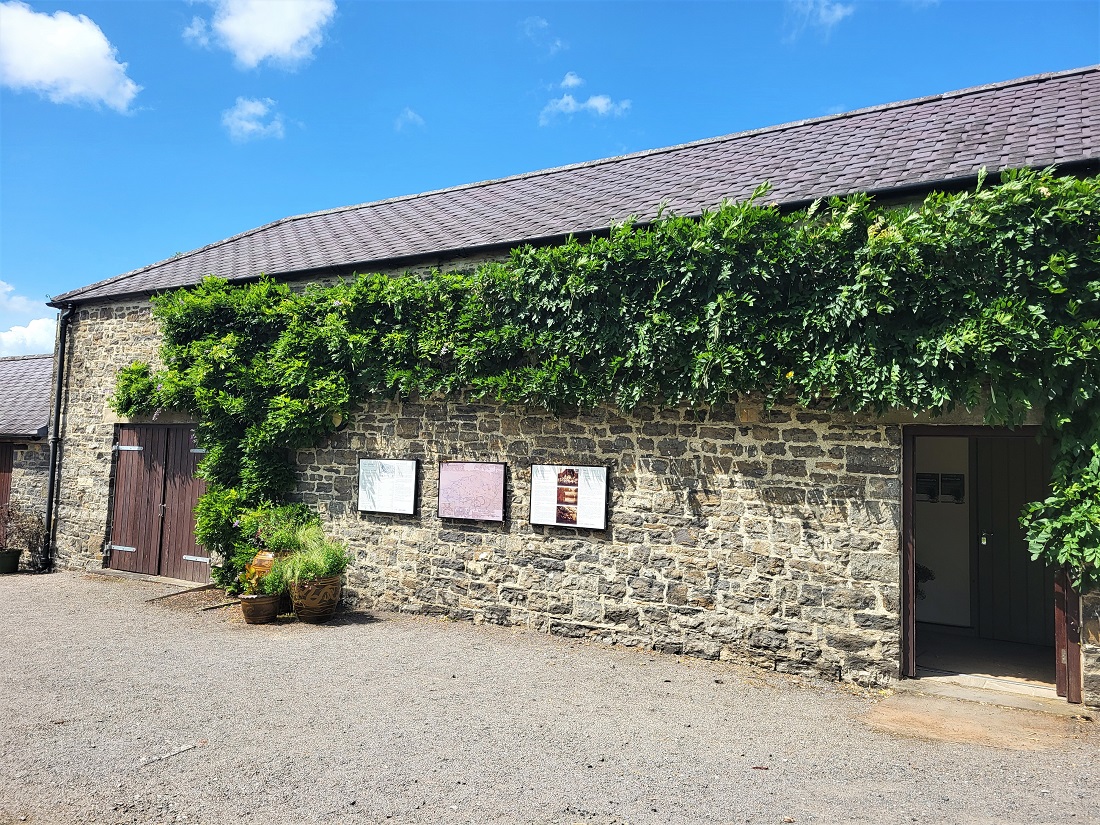
From there, I meandered to one of the newer parts of the gardens, the Old Piggaries, a series of farm buildings that have been transformed into a learning hub and a place to propagate plants (above), which opened in 2016.
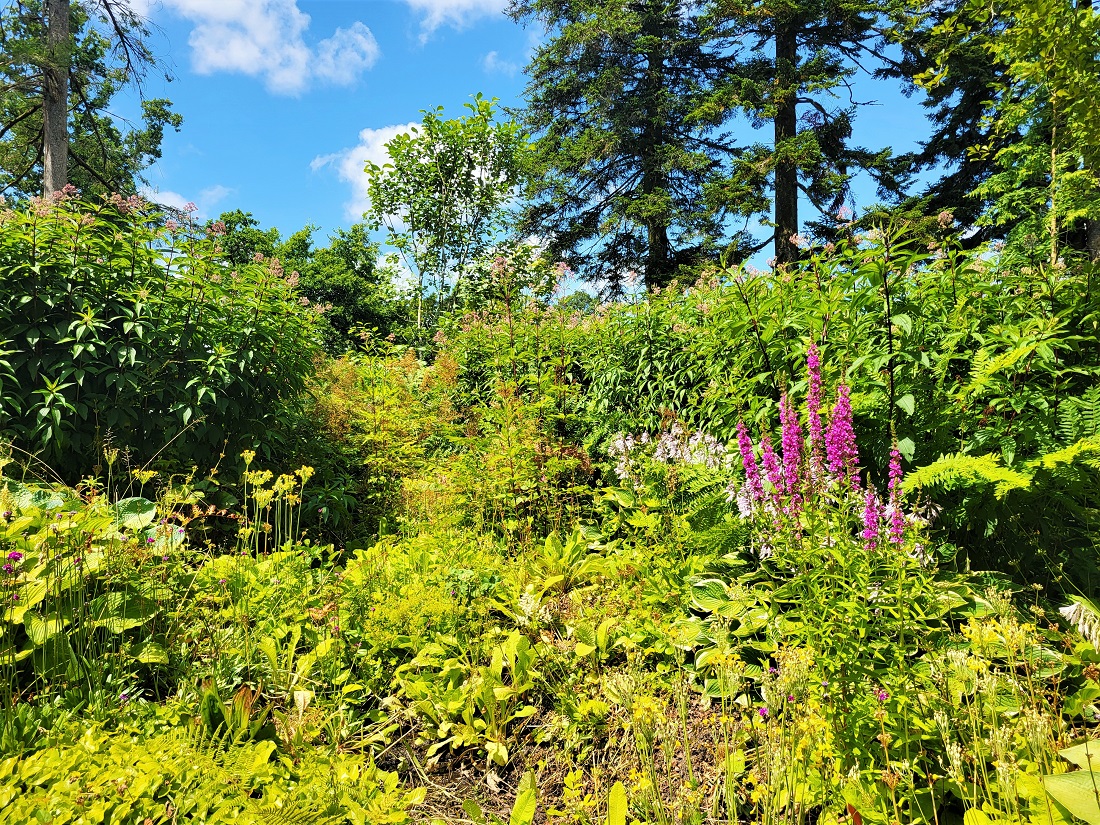
After a quick look inside the not-very-exciting buildings, I headed to the much more enchanting Jubilee Woodland (above) and Stream Gardens, where I spent time marvelling at the beautiful plants.
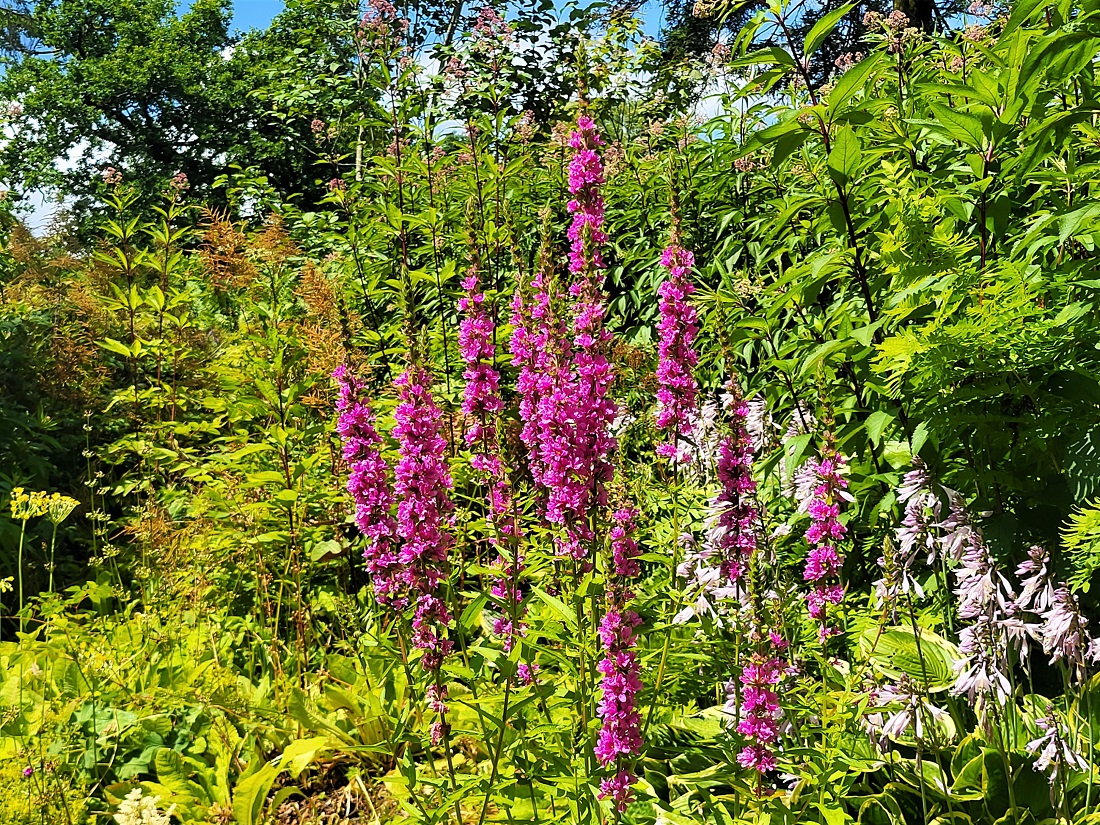
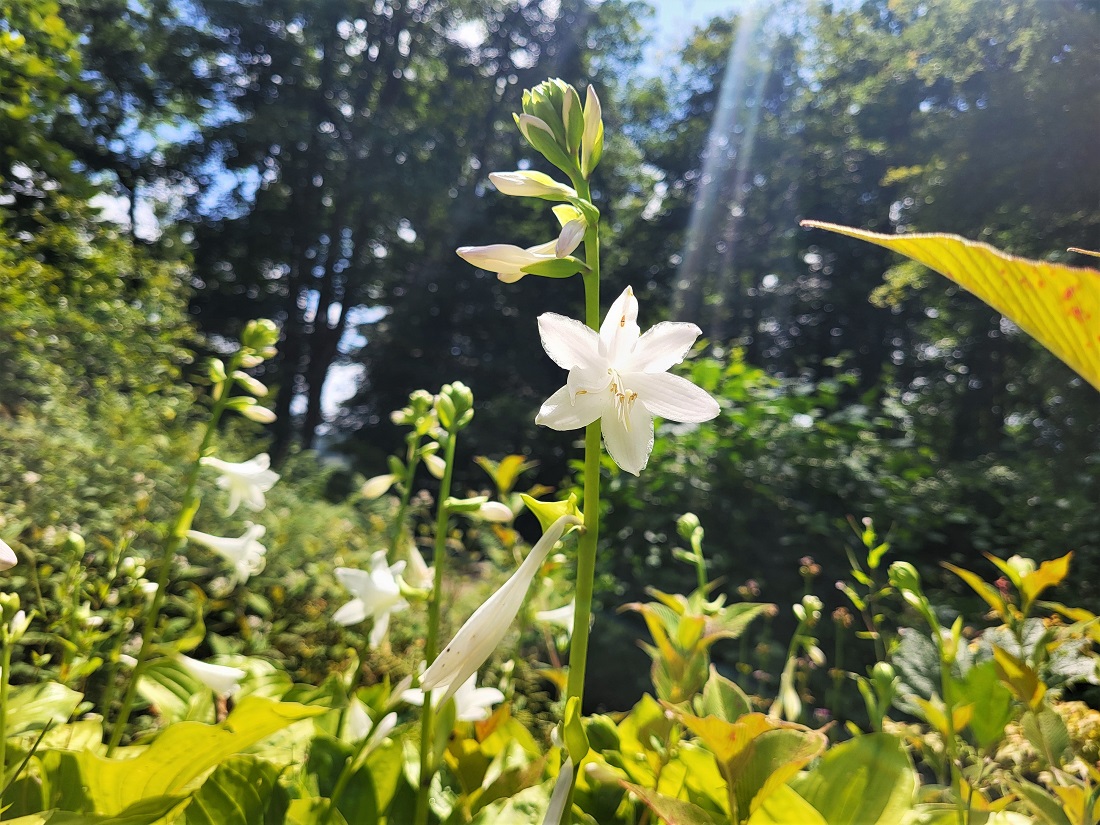
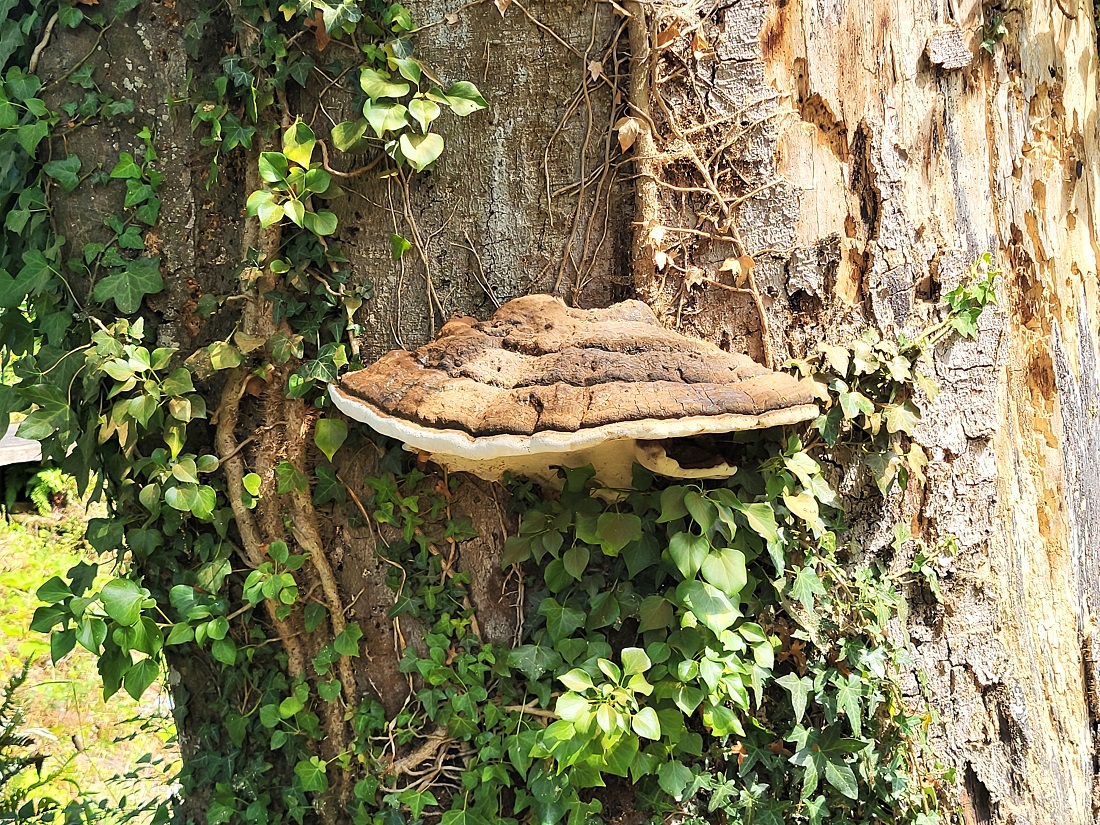
Alongside many varieties of trees, shrubs and flowers, there were also some impressive mushrooms (above).
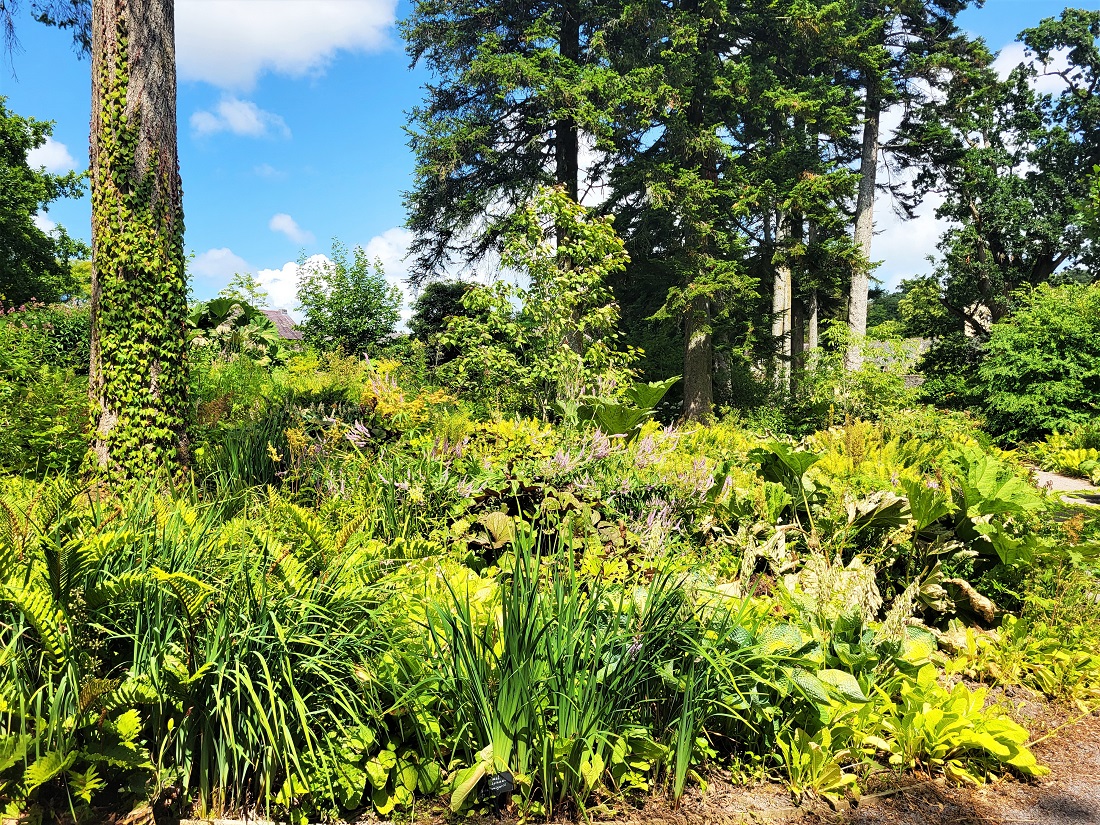
As I was visiting on a weekday, the gardens were quiet and it was relaxing strolling through the estate alone with my thoughts.
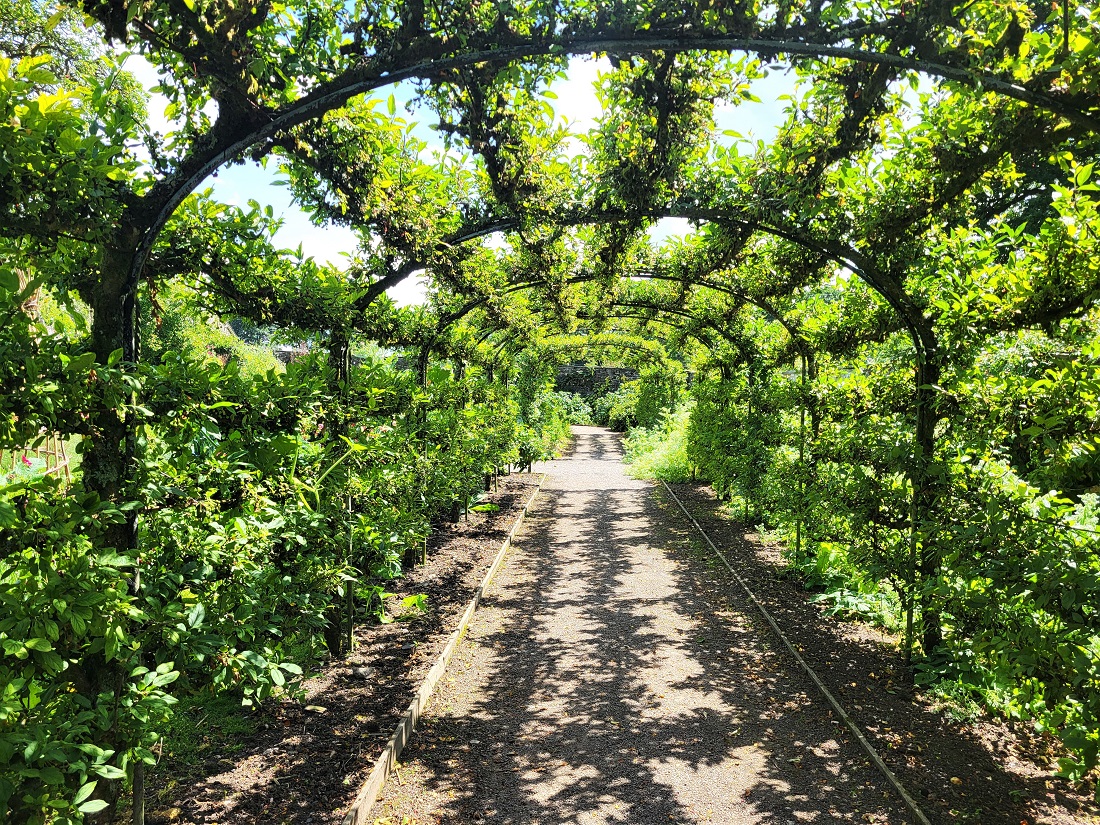
Having seen all there was in the Jubilee Woodland and Stream Gardens, I ambled up the hill to the Lower Walled Garden (above), also known as the Kitchen Garden.
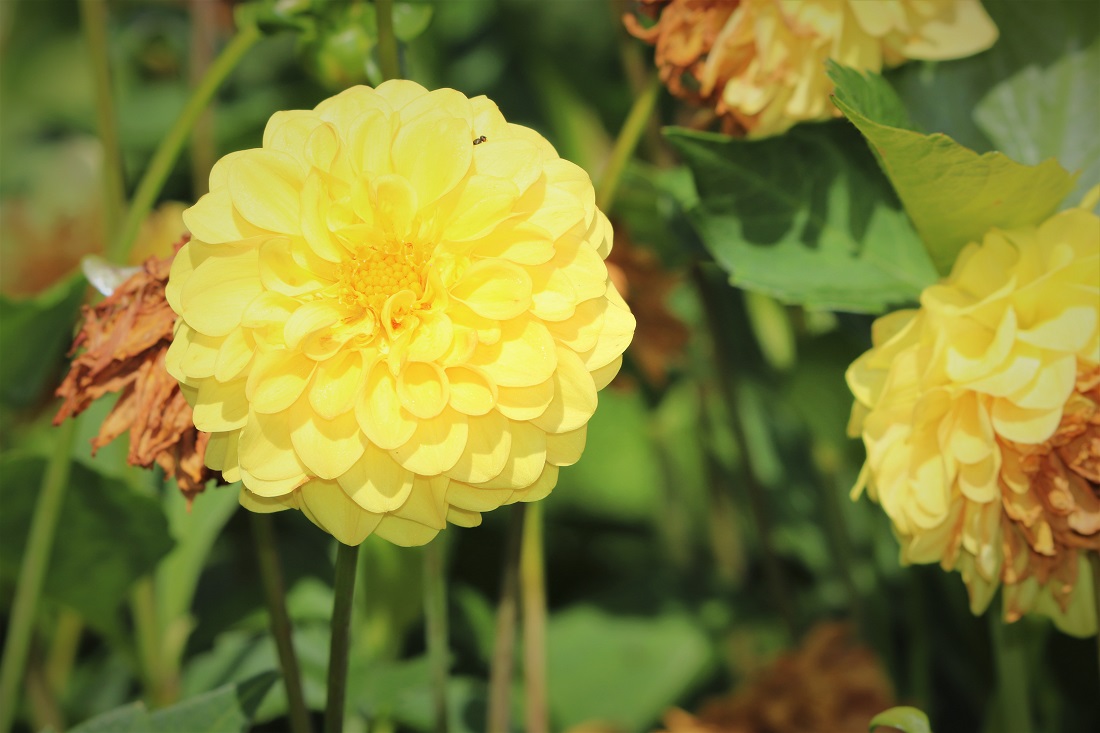
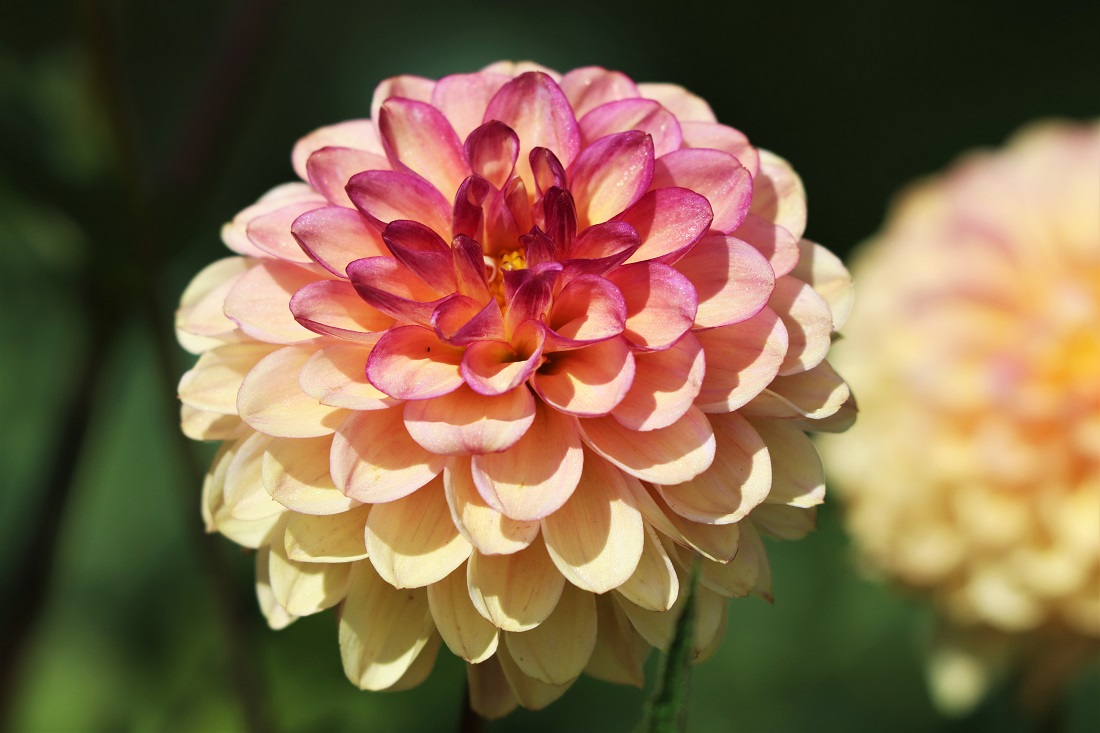
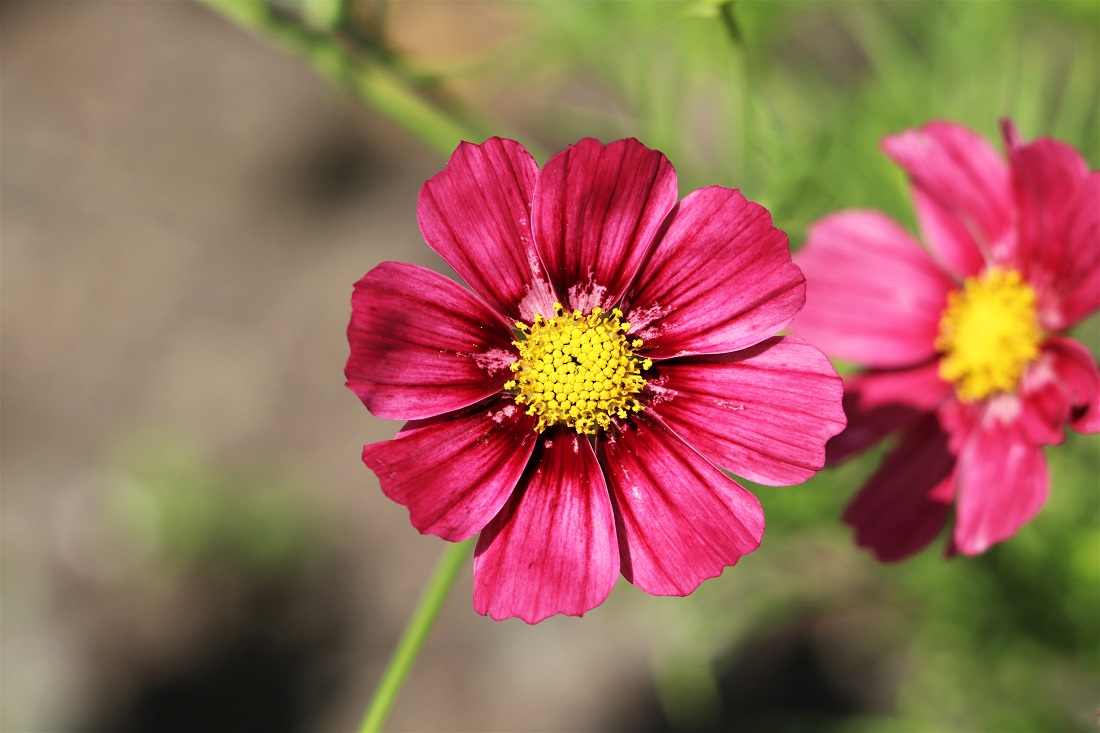
It was the height of summer, so the lush, green garden was bursting with pretty flowers and plants, as well as edible produce such as apples.
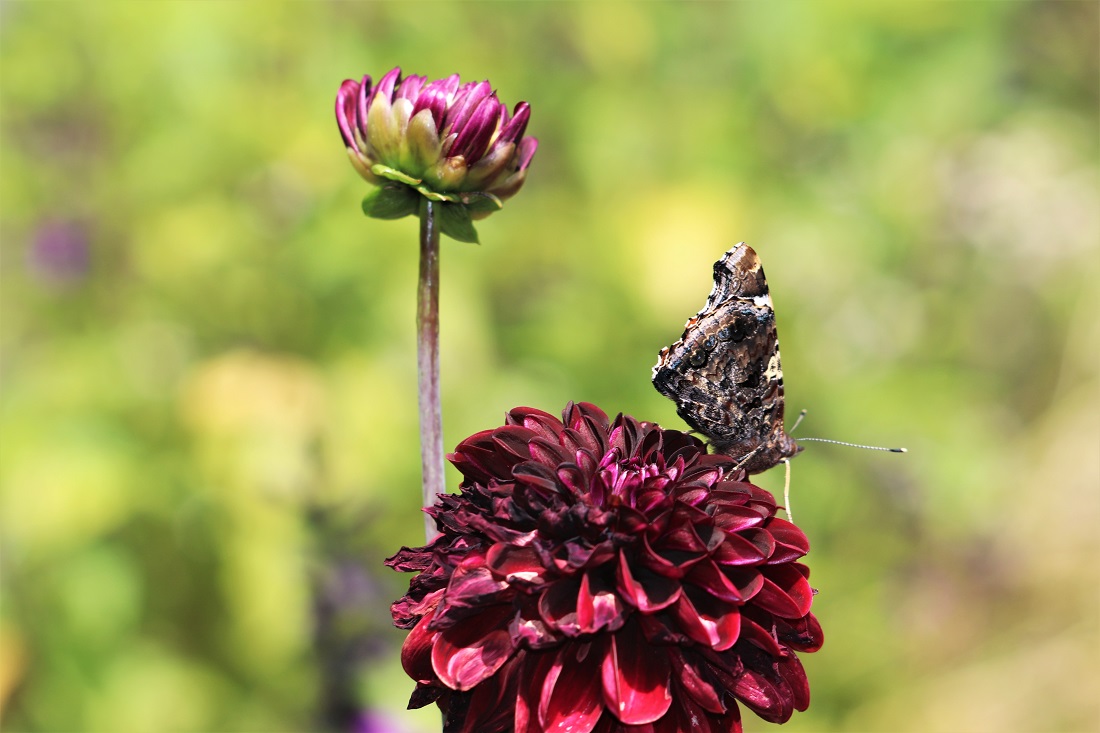
I was particularly taken by the dahlias in an array of colours and spent a while admiring them (above).
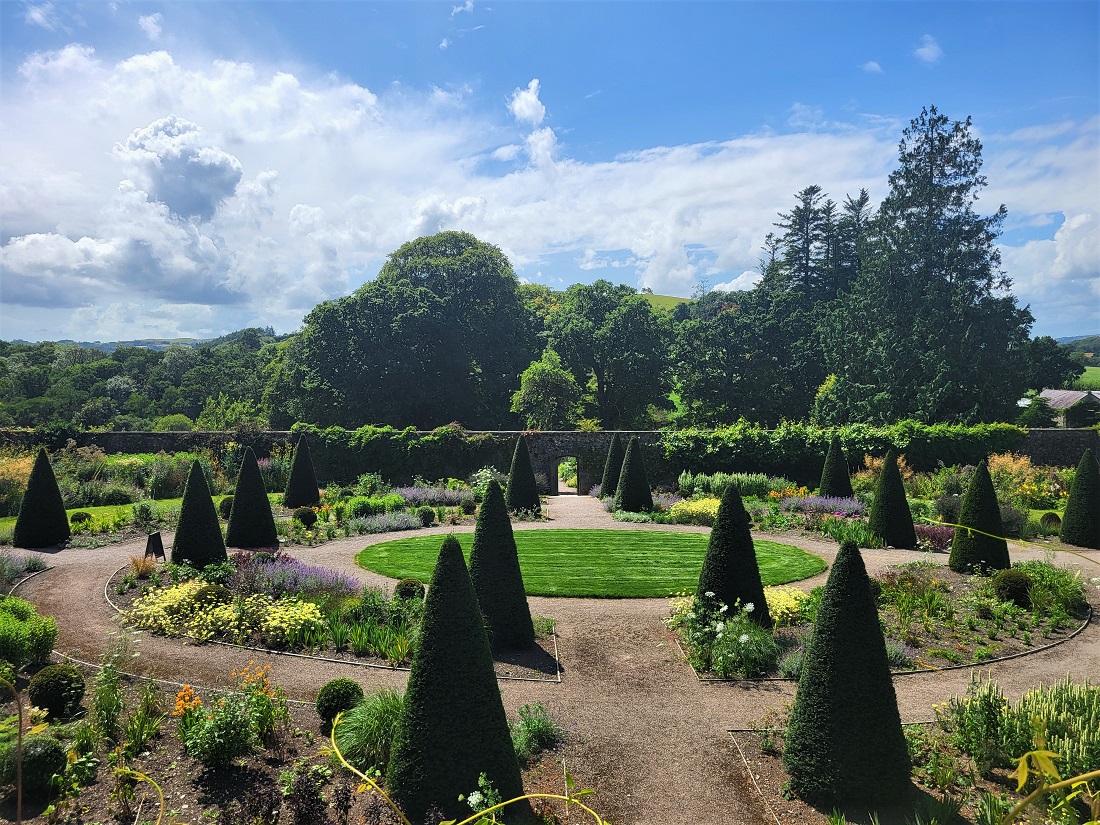
The Lower Walled Garden leads onto the Upper Walled Garden, a more formal garden centred around a circular lawn with a great view of the house (above).
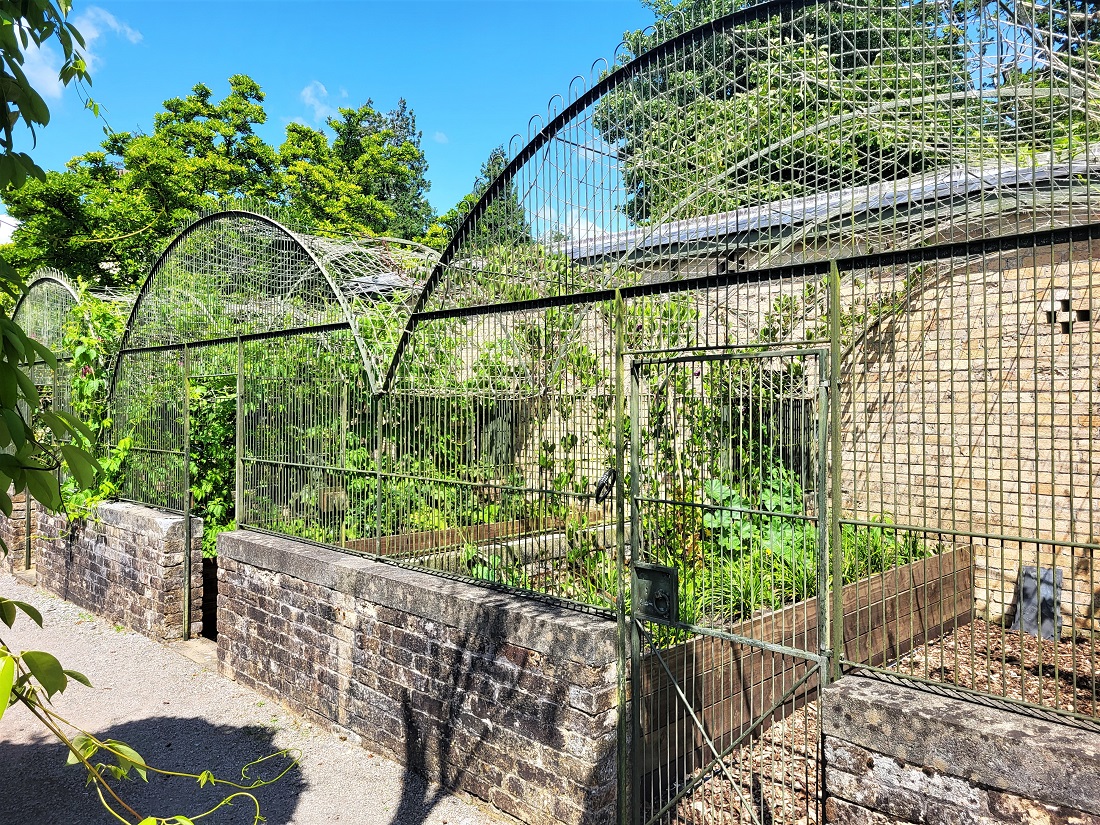
I continued up the hill, where I stopped by the Old Aviaries (above), a series of bird cages now used for growing plants.
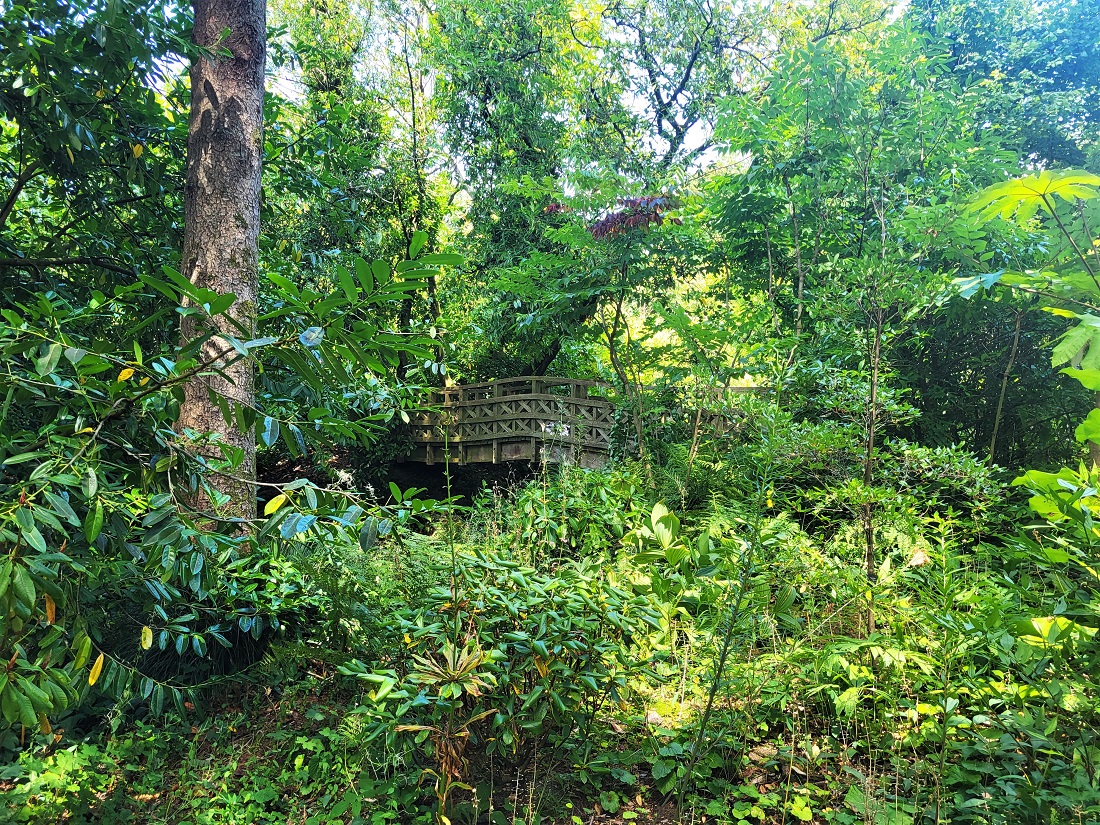
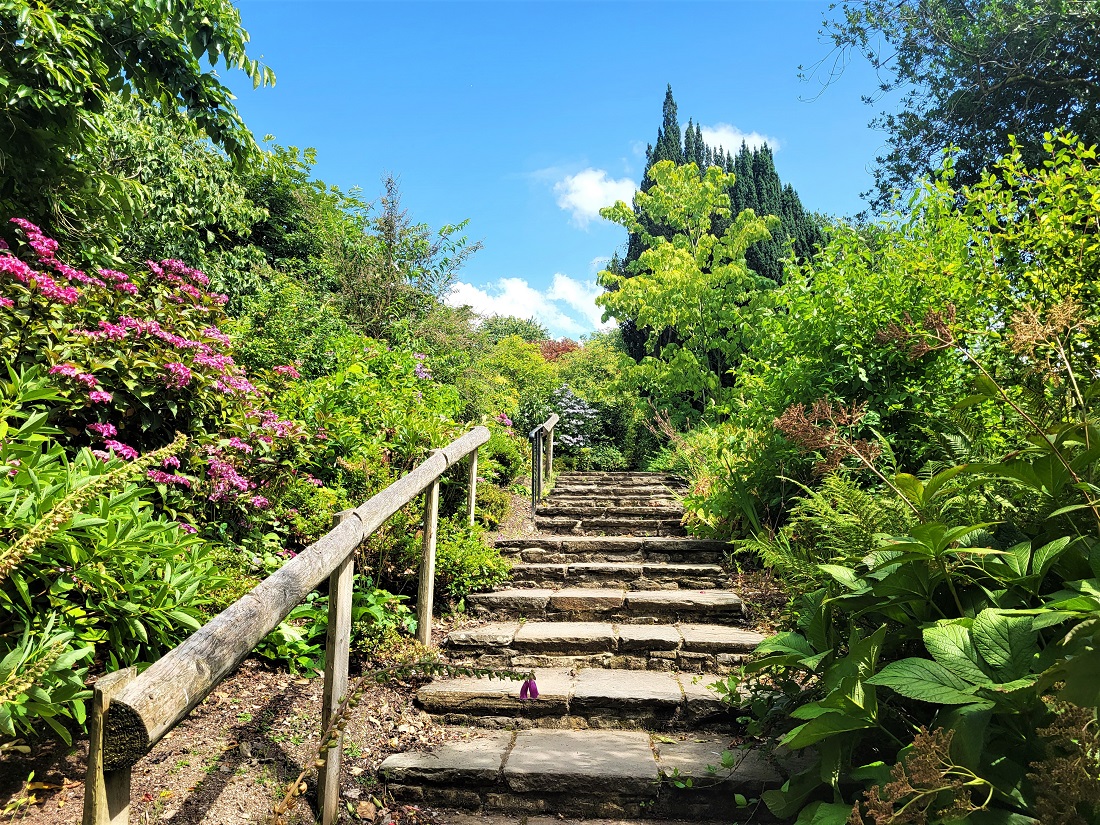
From there, I made my way to the rose garden and then up to Ruth’s bridge (above) and beyond for a stroll around Bishop Rudd’s walk (below) and the Asiatic Garden.
One of the things I loved about the gardens was that they were teeming with bees and butterflies.
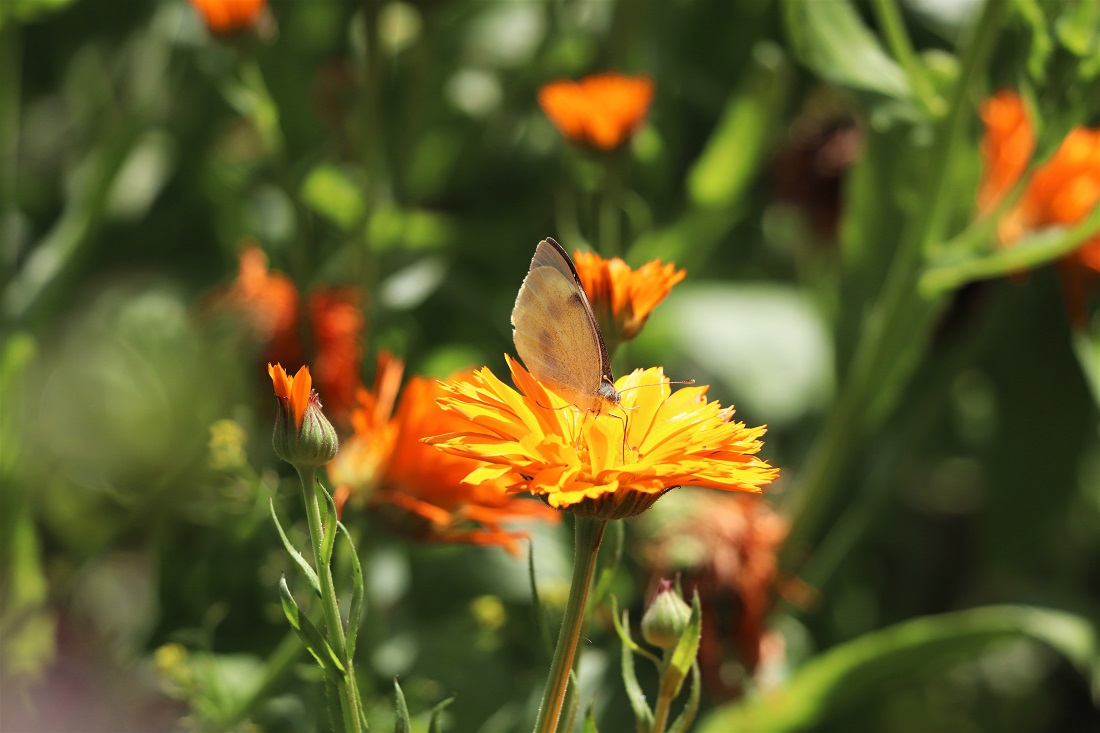
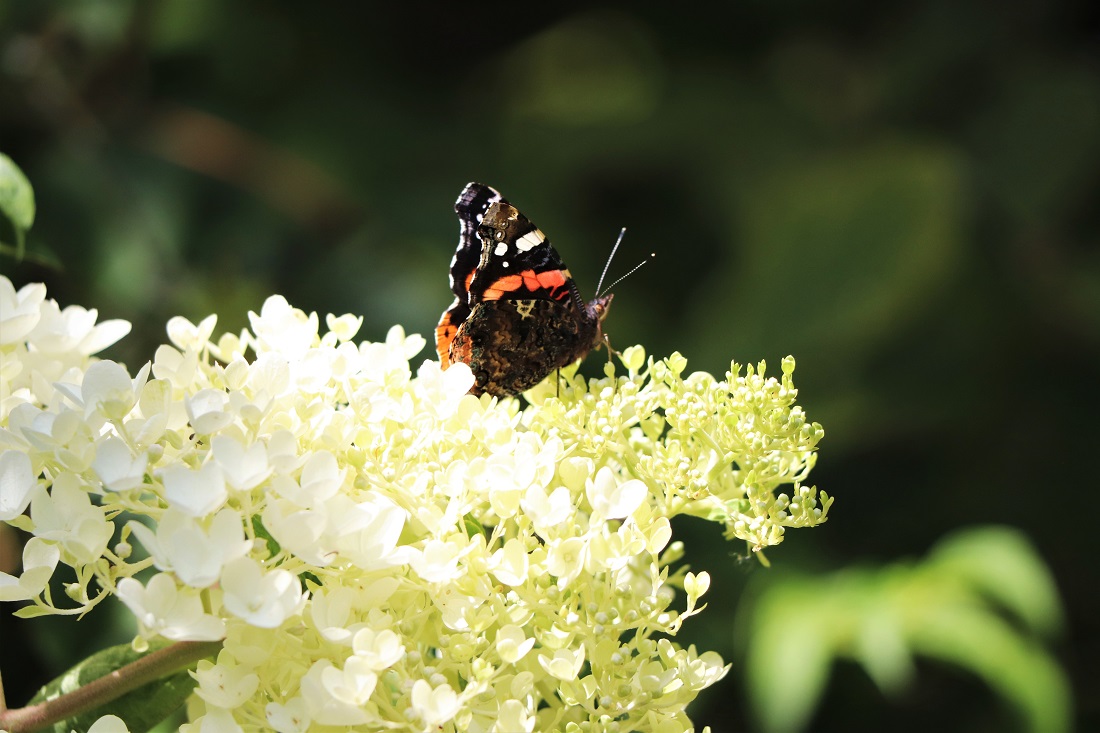
I was delighted to see so many flying around, especially given the recent decline in numbers in the UK.
I spent ages watching them and trying – mostly unsuccessfully – to photograph them (above).
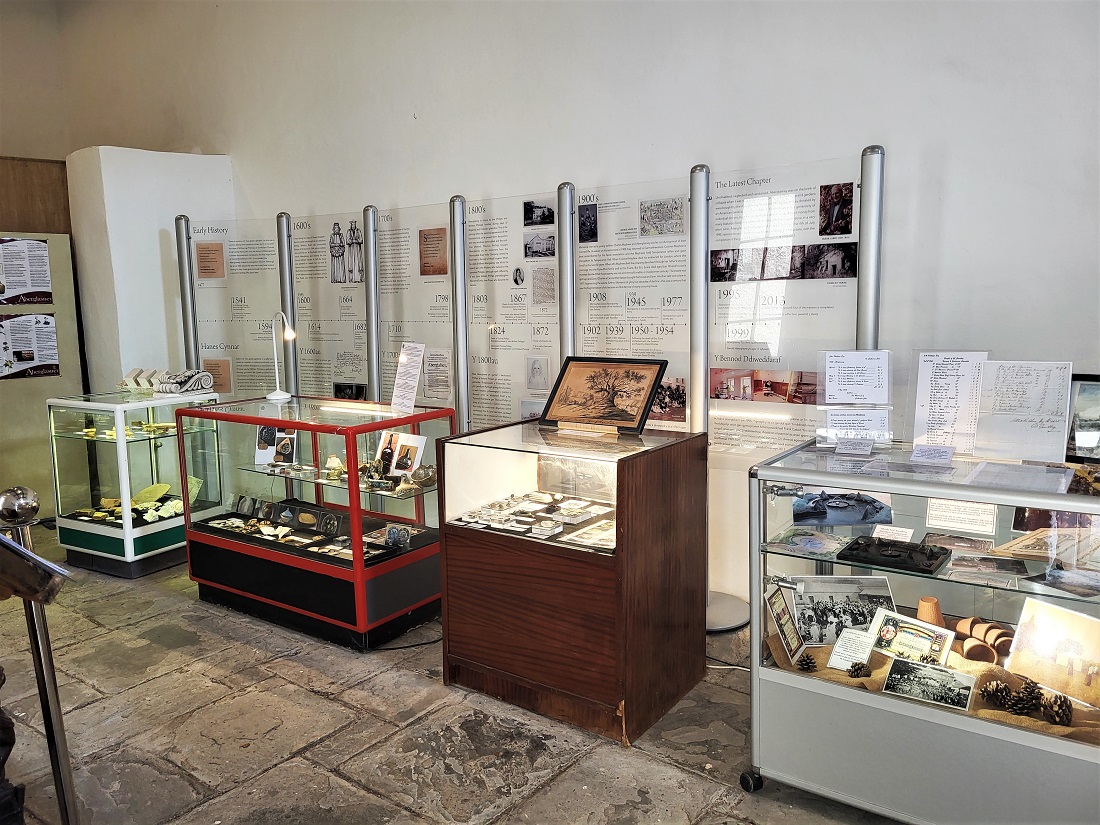
I followed the path towards the mansion, where I popped my head inside Aberglasney’s museum, which is situated in a small outbuilding.
The tiny exhibition (above) tells the story of the house, the area and the people who once owned it. It’s a simple museum, but there’s lots to read and some interesting artefacts linked to the house are on show.
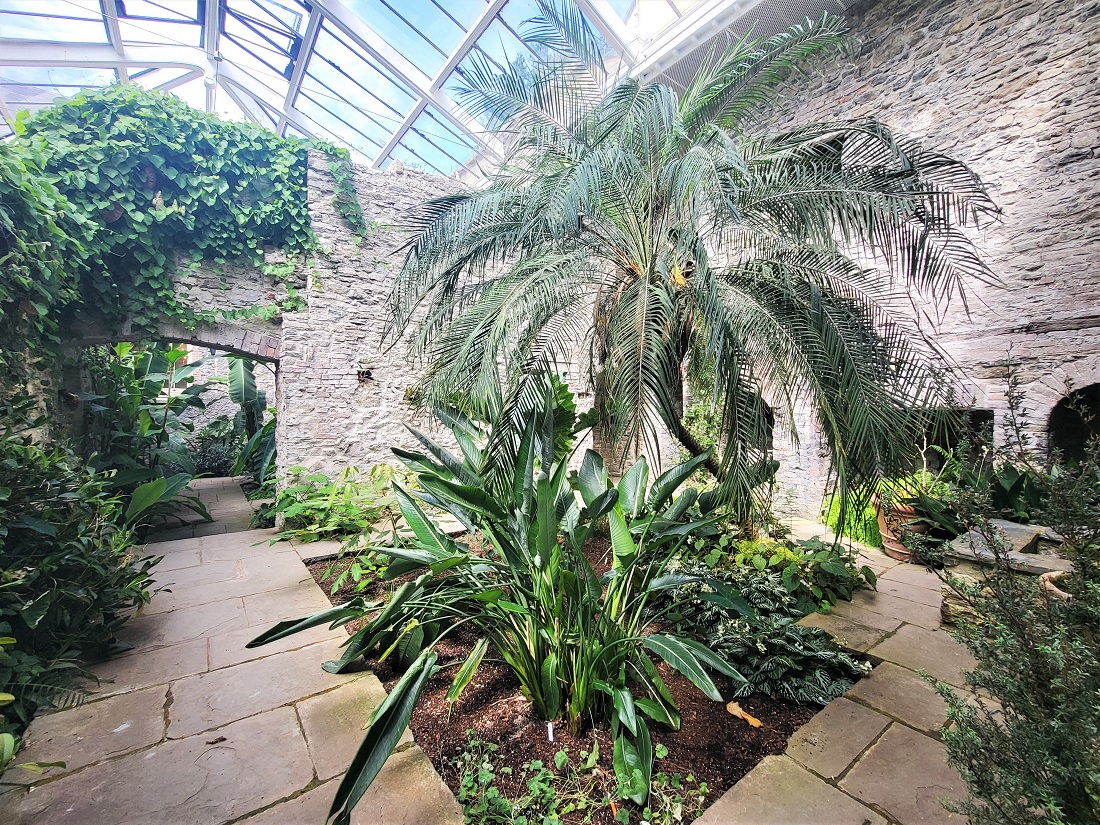
Across from the museum is the ninfarium, an indoor garden-cum-greenhouse filled with subtropical plants set amid the mansion’s ruins.
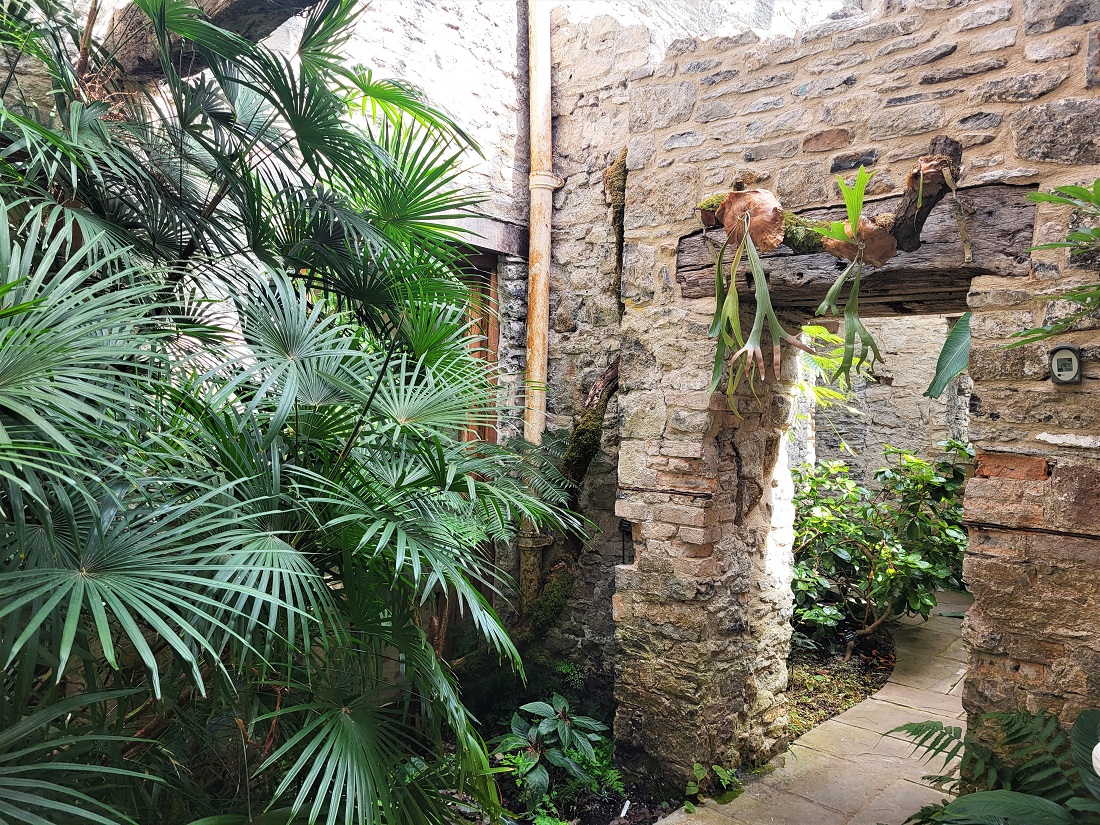
The estate has made excellent use of the ruined structure’s architectural features and it’s really clever how they’ve incorporated the plants.
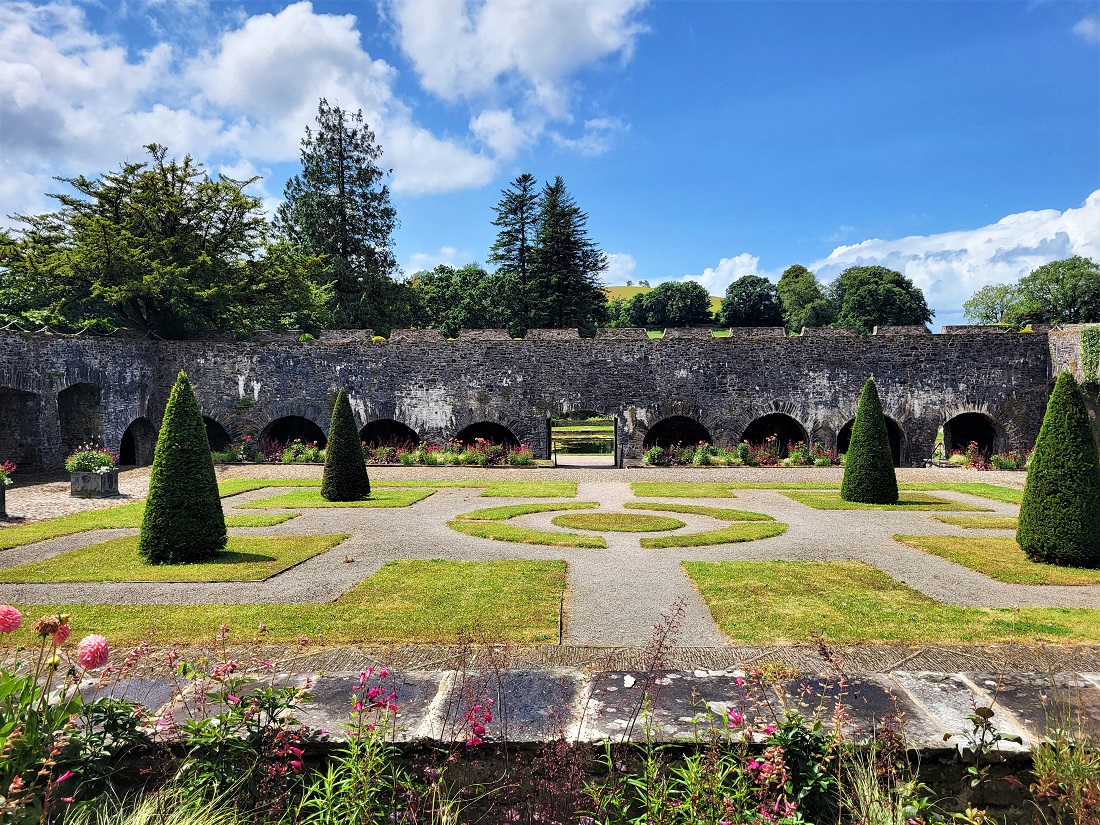
From the ninfarium, I headed outside to my favourite part of the estate – the Cloister Garden (above).
The unique garden is the only surviving example of an Elizabethan cloister garden in the UK.
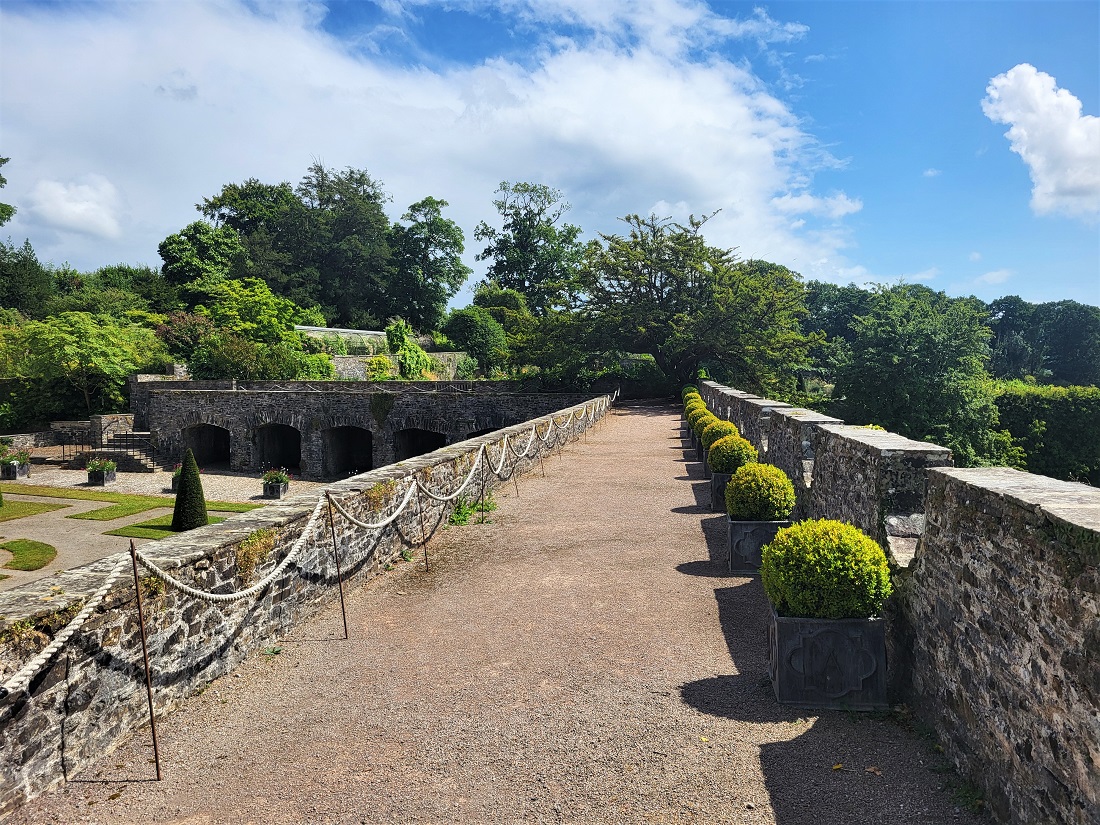
I took a look around the cloisters, before going up onto the walkway (above) to admire the views over it and the Pool Garden on the other side of the wall.
I have great memories of photographing the garden as a teenager and playing around with angles and lighting, and I had just as much fun 20 years later. It’s a truly remarkable space.
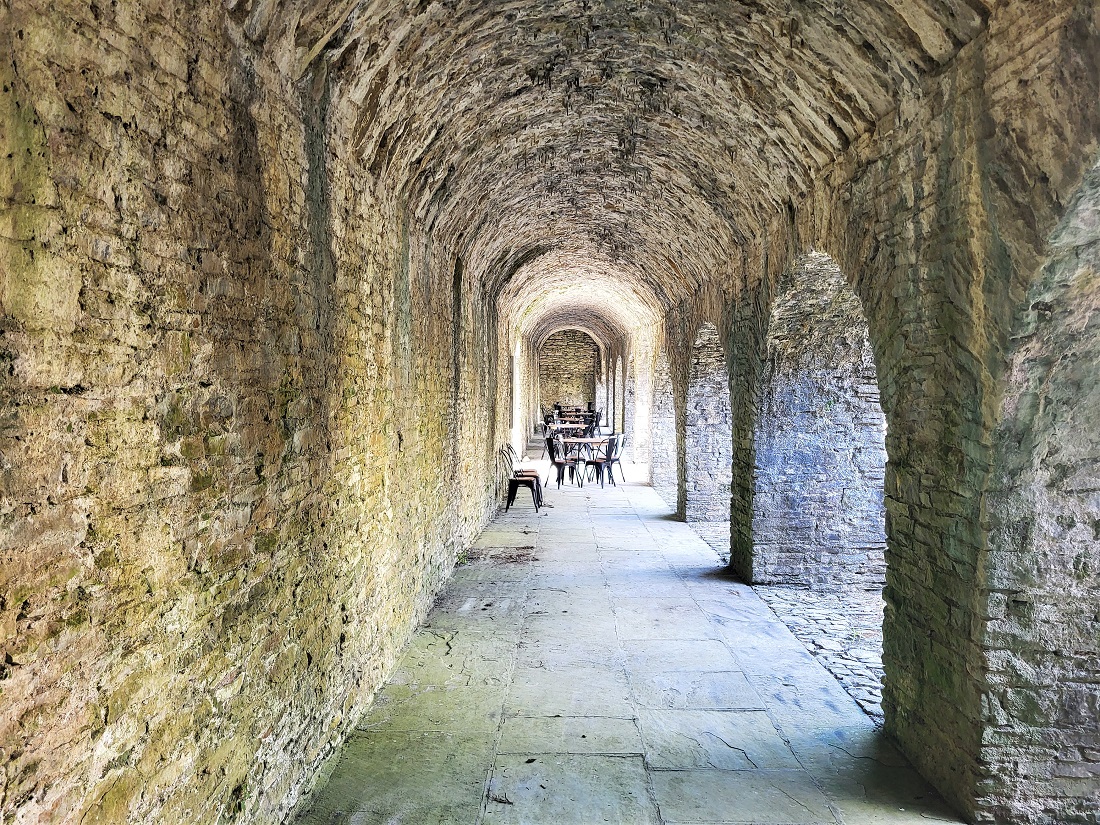
By now I’d seen all there was to see in the gardens, so I ambled towards the Grade II listed mansion where a small craft fair was taking place.
The event was packed with stalls selling locally-made objects, such as leather goods, paintings, jewellery and wooden trinkets, and I picked up some lovely wooden spoons.
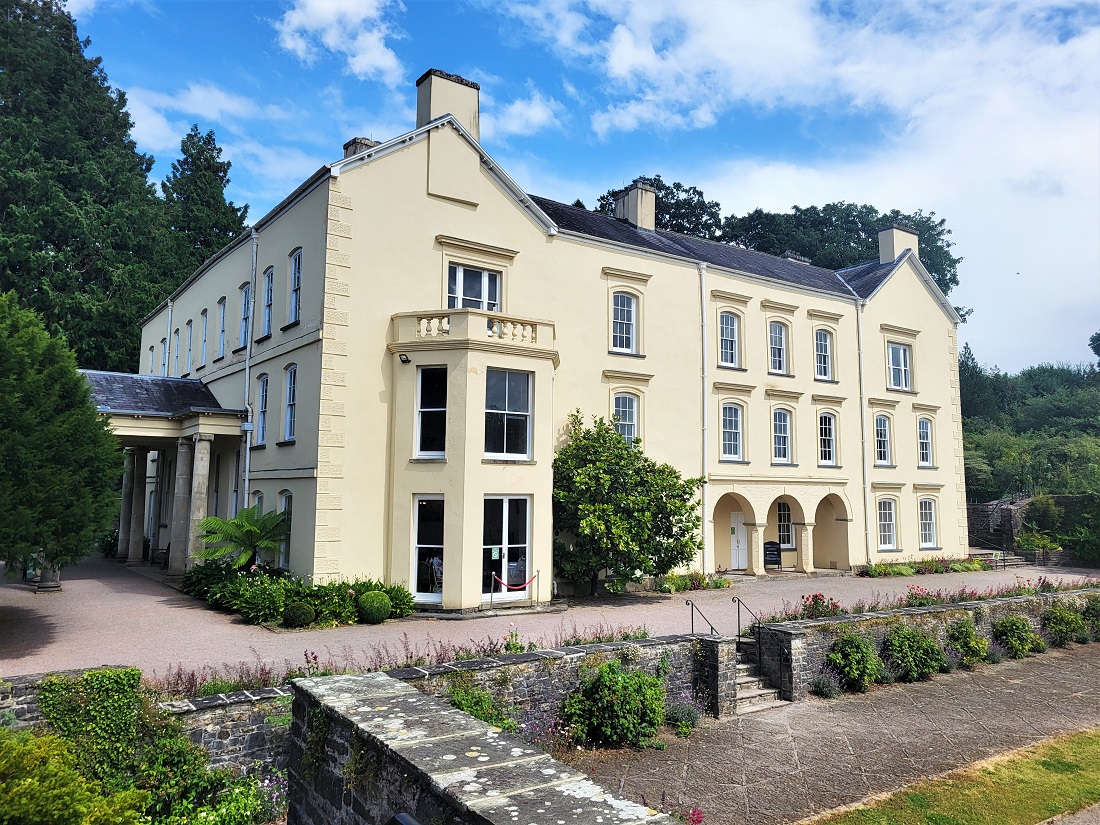
I adored my visit to Aberglasney. I’m sometimes apprehensive about returning to places I’ve loved in case they don’t live up to my memories.
But I needn’t have worried about Aberglasney. The gardens are still stunning after all these years (if not more beautiful) and I had a fabulous day out.
Info
Aberglasney Gardens, Llangathen, Carmarthenshire SA32 8QH
Open 10am to 6pm (April to October), 10.30am to 4pm (November to March)
aberglasney.org
 Little Old World
Hello there. Nice gardens. Are you a gardener?
LikeLike
Really beautiful
LikeLike
Gorgeous gardens. And your lunch!
LikeLike
Those look beautiful gardens, such a lot to see! I really like the look of your lunch – I’d have started in the tearoom too.
LikeLike