
On my way to the National Eisteddfod, I drove past the town of Criccieth and the Lloyd George Museum in nearby Llanystumdwy, so I was keen to go back to visit them while I was in north Wales.
Criccieth Castle
Criccieth Castle is perched high on a rocky crag overlooking Tremadog Bay on the Llŷn Peninsula.
Built by Llywelyn the Great, Prince of Gwynedd, in 1230, the castle was later expanded by his grandson Llywelyn ap Gruffudd.
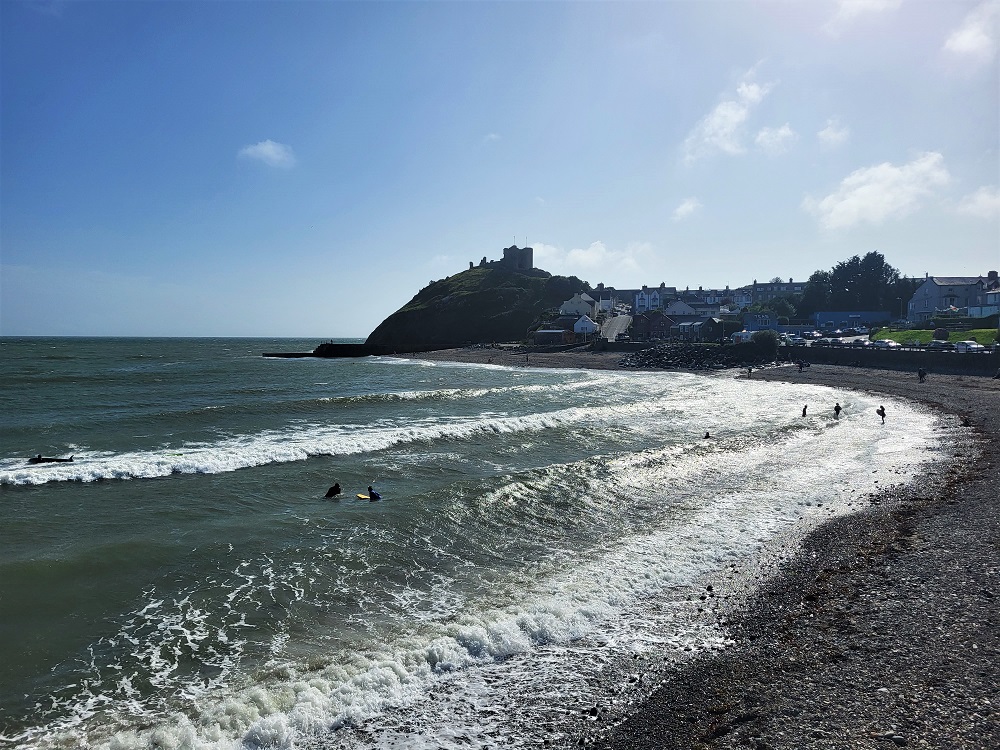
Llywelyn, who’s also known as Llywelyn Ein Llyw Olaf (Our Last Leader), briefly united Wales before being struck down by Edward I’s assassins in 1282.
After Edward I conquered north Wales, the castle transferred to English hands, where Edward further strengthened and improved the strategically important fortress.

But 130 years later, the castle was destroyed by fire during the rebellion of Owain Glyndŵr and it fell to ruin. Today, it’s in the care of the Welsh heritage agency Cadw.
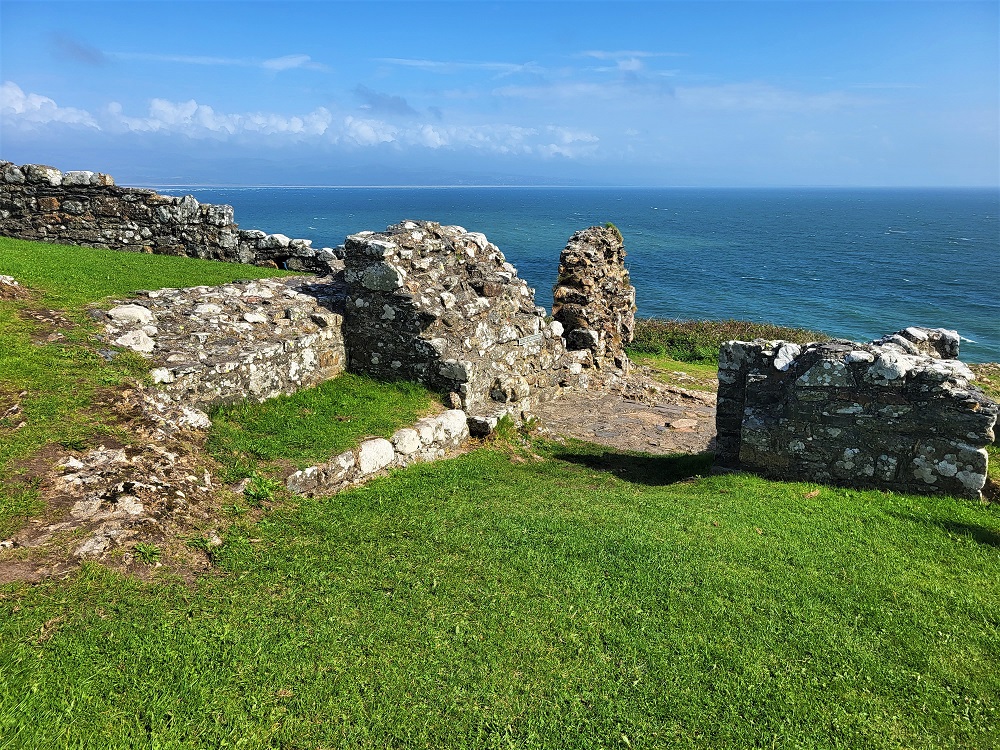
I started my visit to Criccieth Castle by looking around what’s left of the outer ward (above), but there’s not much to see other than the remains of a few walls and towers.

There’s much more to the inner ward though (above and below) and looking around it, you can roughly make out how the castle would have looked during its 13th and 14th century heyday.
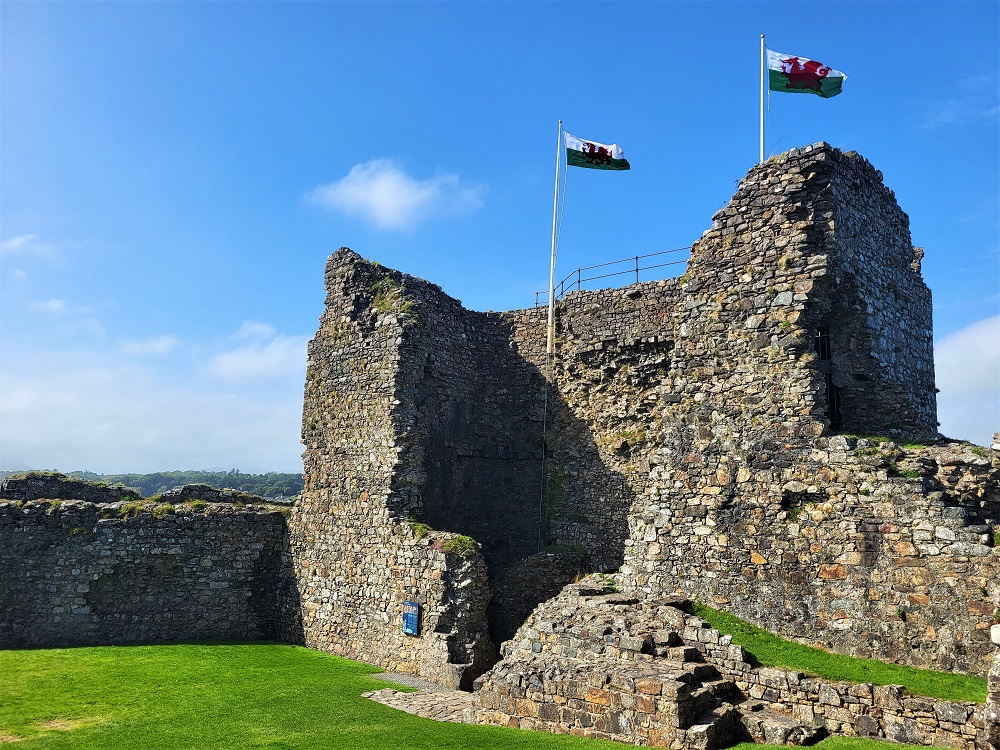
The inner ward is dominated by the striking and distinctive twin-towered gatehouse (above and below), which was added by Llywelyn ap Gruffudd in the mid-13th century.

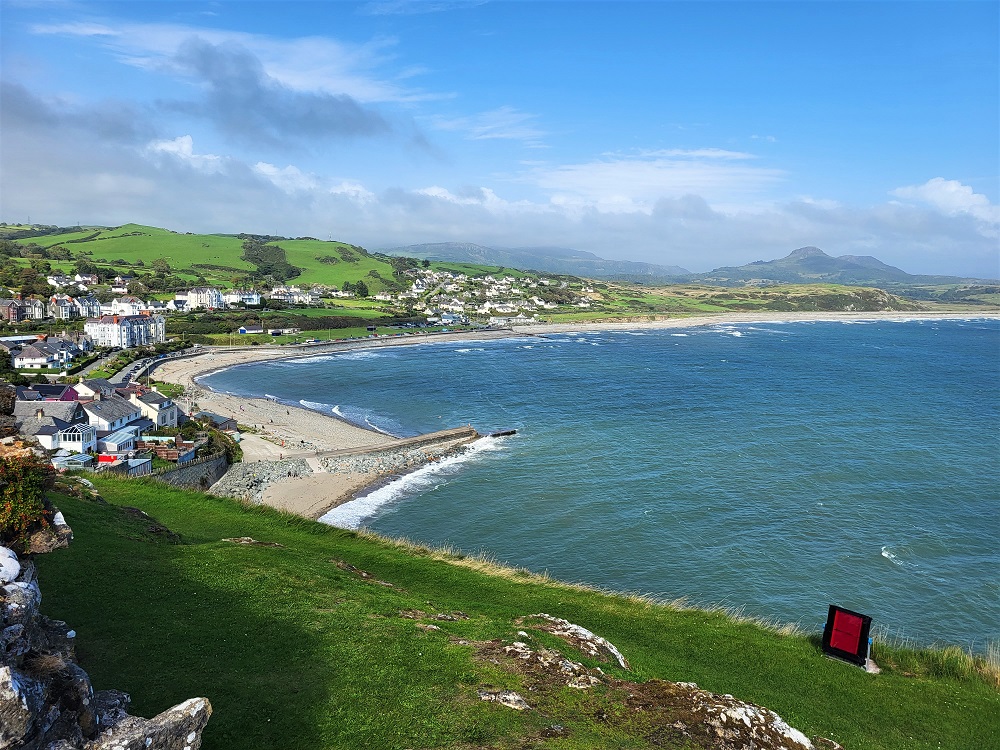
Just beyond the gatehouse lies the remains of the Engine Tower, which boasts striking views over Tremadog Bay and the mountains of Eryri National Park in the distance (below).
As there’s so little left of the castle, it only took 15 minutes or so to look around it all.

And having seen all there was to see, I wandered back down the hill to the visitor centre, where there was a small exhibition about the castle’s history (above).
The Lloyd George Museum in Llanystumdwy

Just two miles up the road in the village of Llanystumdwy lies the Lloyd George Museum, a small museum dedicated to the life of the former British Prime Minister, the only Welshman ever to hold the office.
A first-language Welsh-speaker, David Lloyd George grew up in the village in the household of his uncle Richard Lloyd, a cobbler, who’d taken his sister and her young family in when Lloyd George’s father died.
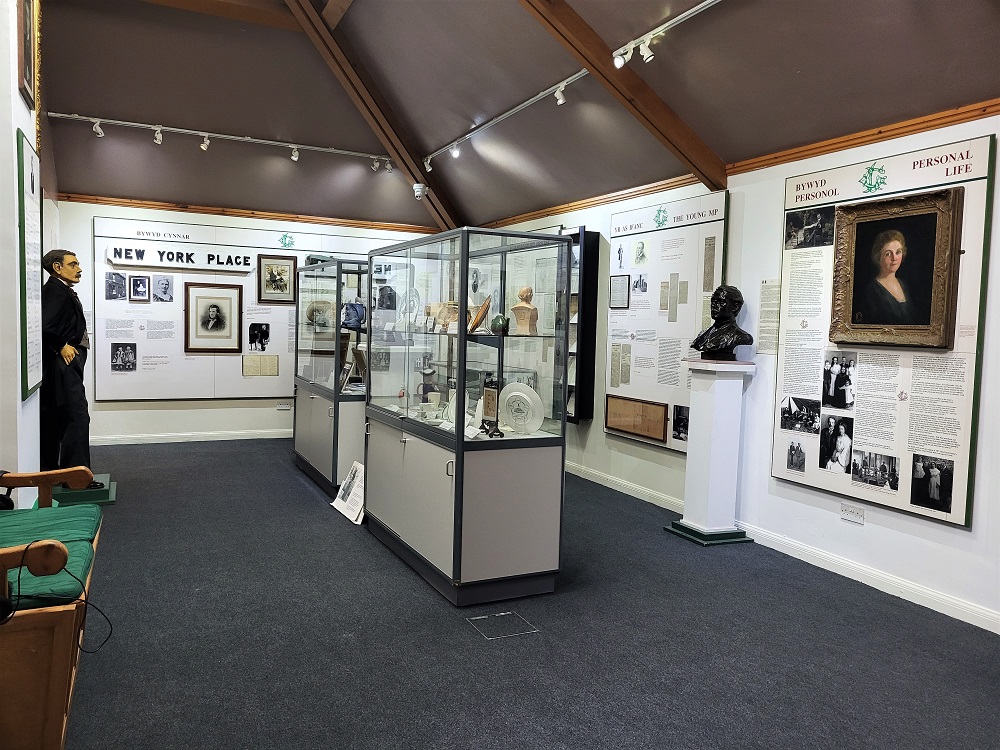
The museum recounts Lloyd George’s life from his early years through to his time as one of the most powerful men in the world.
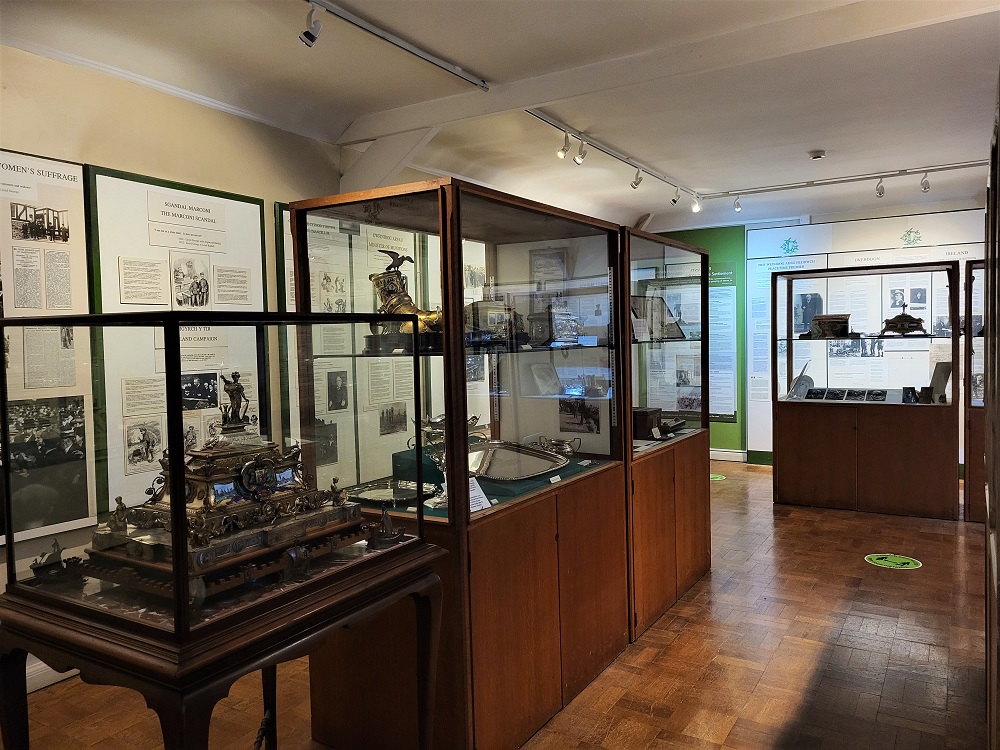
Lloyd George was instrumental in introducing welfare reforms to the UK and later served as Prime Minister from 1916 to 1922, steering the country through the second half of the First World War and its aftermath, and signing the 1919 Treaty of Versailles.
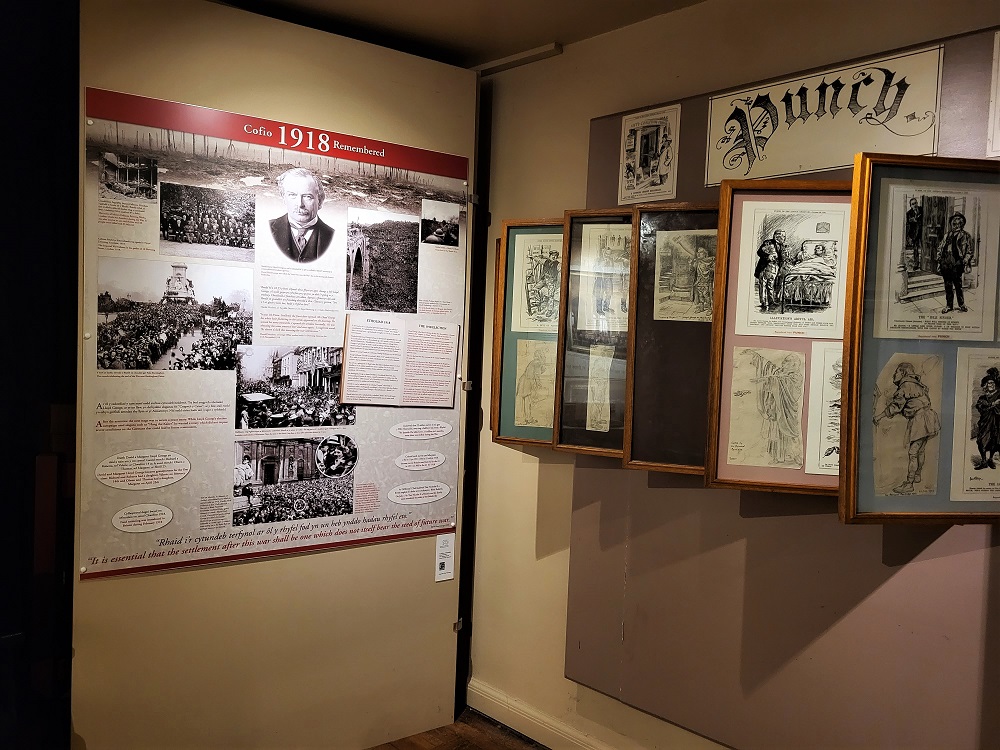
Lloyd George was considered a radical during his day, introducing the state pension, declaring war on poverty and raising the school leaving age to 14. He also oversaw the introduction of the vote for women.
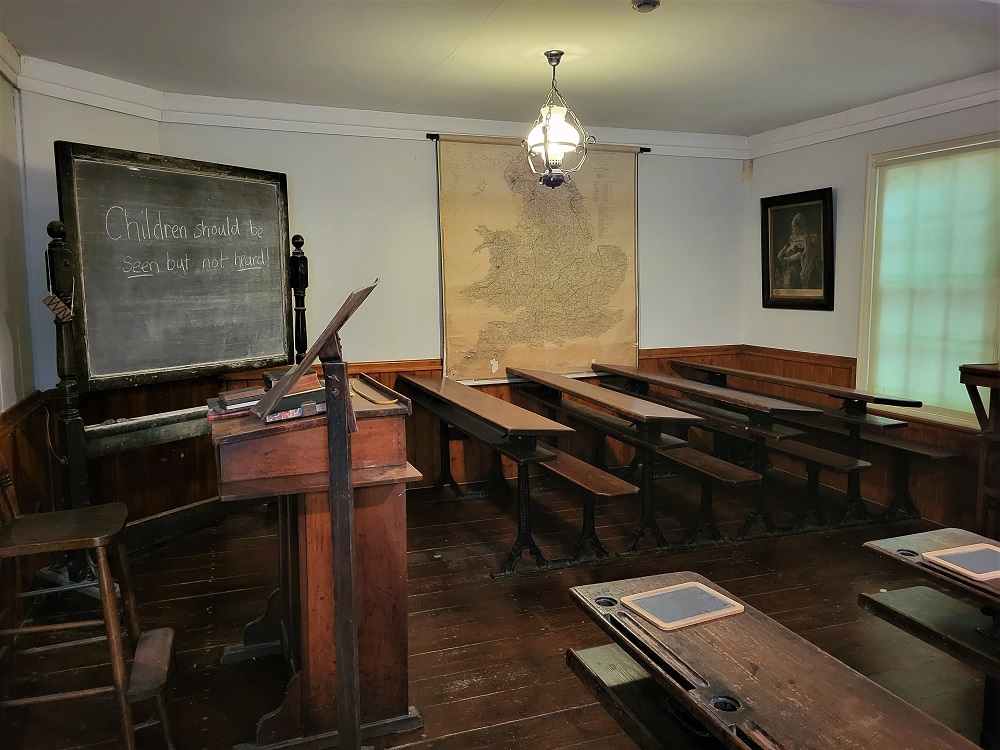
The museum’s curation is simple and basic, but it’s packed full of information about the statesman, his life and his work, and there are many artifacts that once belonged to Lloyd George on display.
I came away having learned an awful lot about the man who became one of the 20th century’s most influential Prime Ministers.

After touring the main body of the museum, I wandered out to the garden, where I found a replica of 10 Downing Street’s famous door, which was installed in 2019 (above).
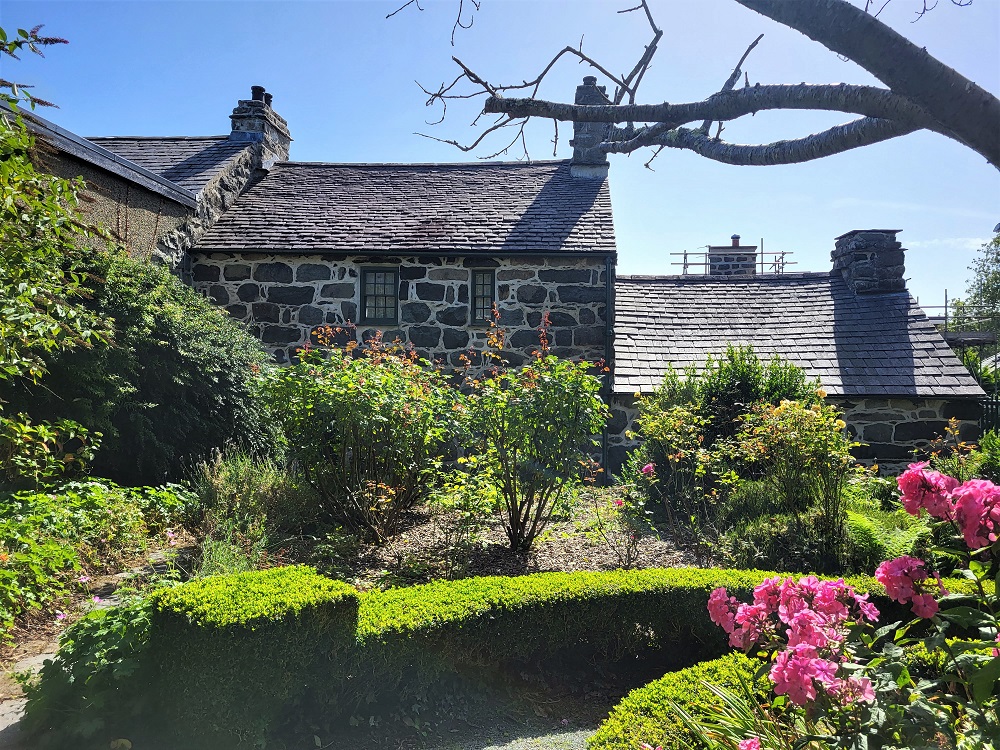
The garden leads to Lloyd George’s childhood home, Highgate (above), where he lived from 1864 to 1880.
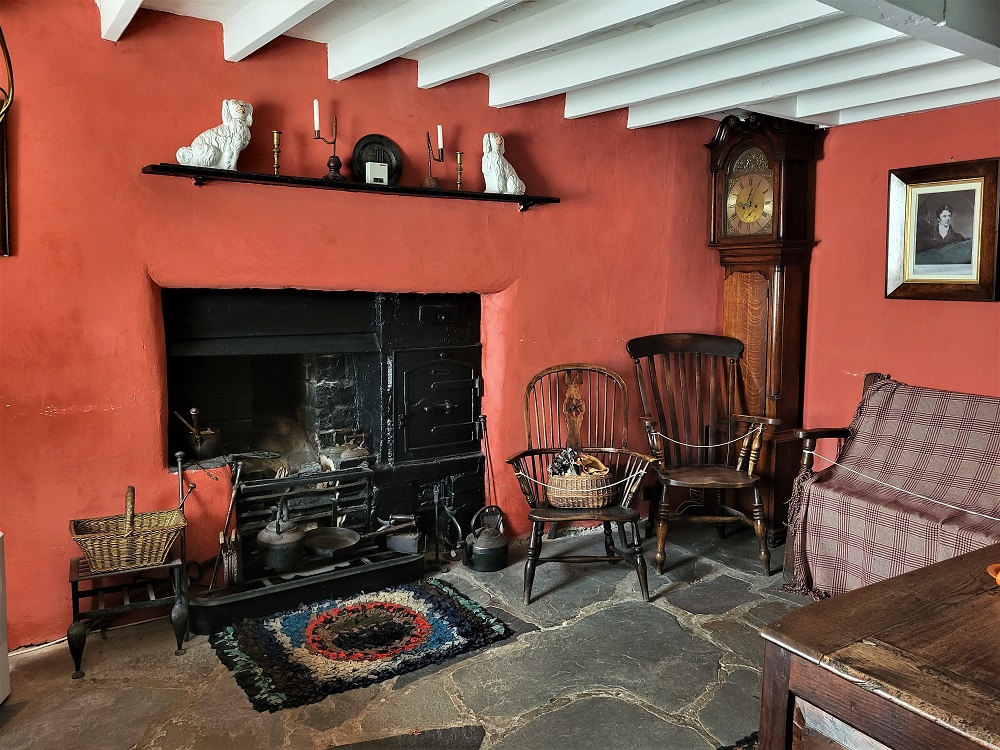
The two-storey house is made up of two rooms on the ground floor, the living room and a small parlour/study, and two small bedrooms upstairs.
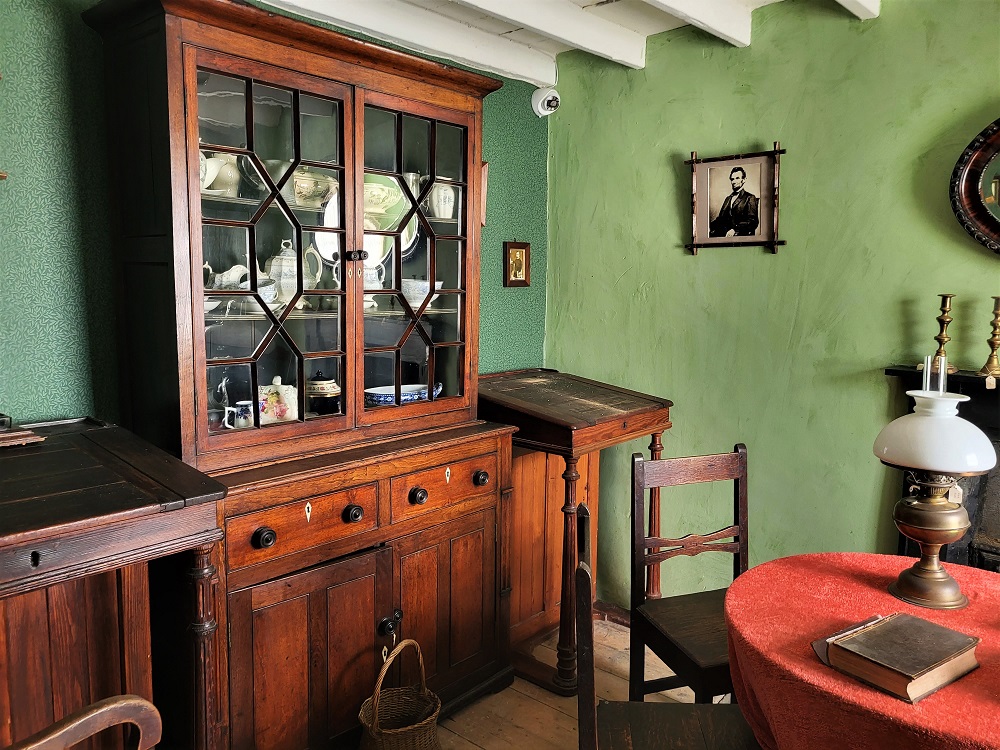
Seeing where Lloyd George grew up helped shed light on why he fought so passionately to introduce welfare reforms to the UK.

The cottage is tiny and brings home just how humble Lloyd George’s upbringing was in contrast to many of his privileged peers at Westminster, who would have been brought up in grand stately homes.
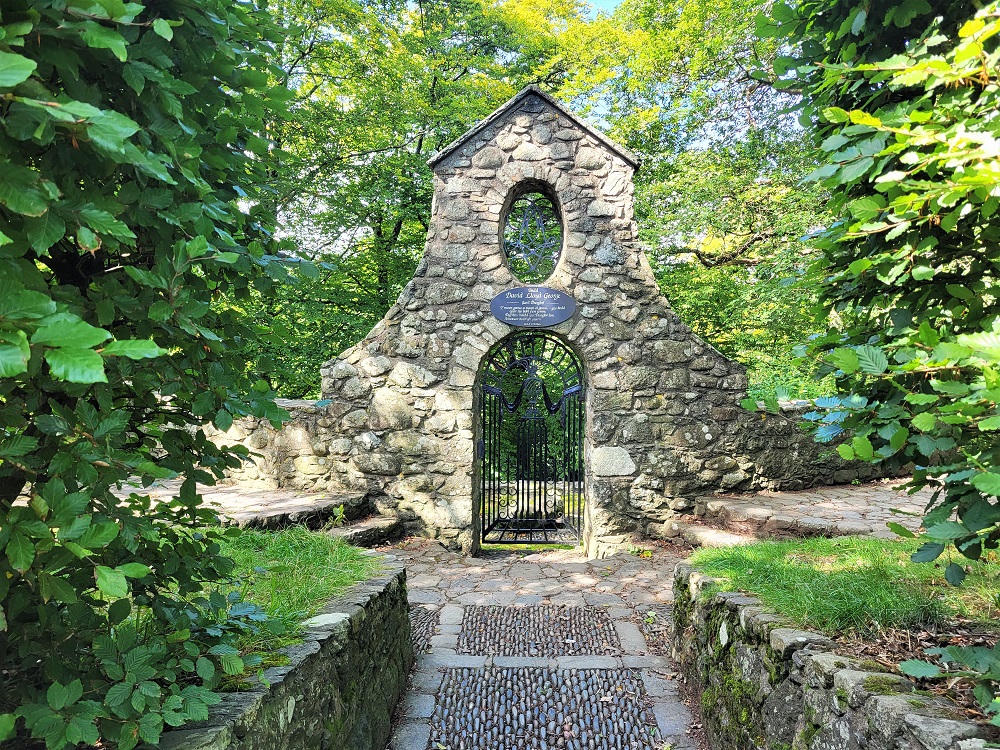
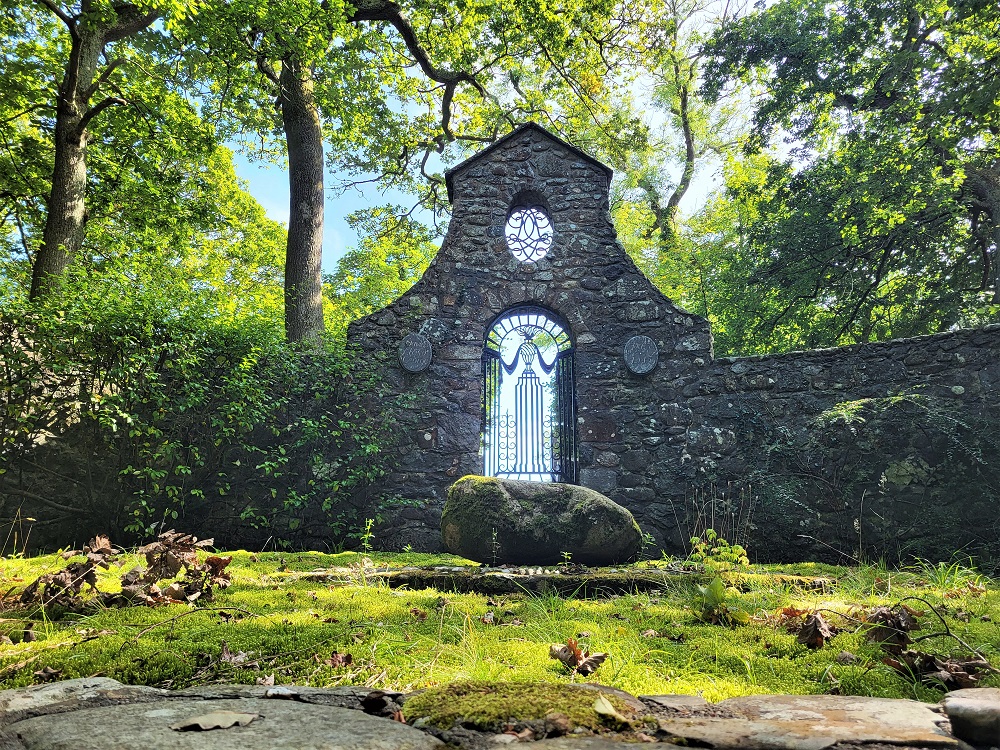
Lloyd George died in Llanystumdwy in March 1945 and was buried a short walk away from his childhood home on the banks of the Afon Dwyfor, where he used to play as a child.
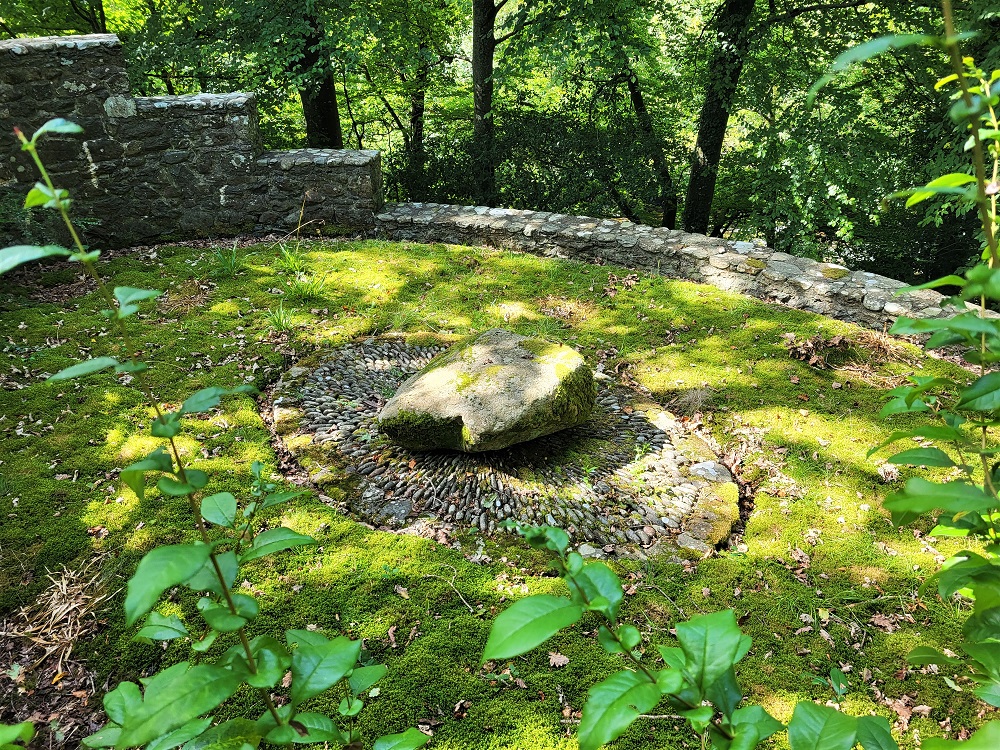
His grave is marked by a simple stone and is flanked by a wall designed by Sir Clough Williams-Ellis, the architect behind nearby Portmeirion.
I enjoyed my visits to both Criccieth Castle and the Lloyd George Museum. Both sites are small and neither takes long to visit, but both provide insight into the lives of two of Wales’s most powerful and influential men.
One a local prince who briefly united the country against its more powerful neighbour. Another, a statesman who overhauled the welfare state and helped bring about an end to one of the most devastating wars the world has ever seen.
Info
Criccieth Castle, Castle Street, Criccieth LL52 0DP
Open Thursday to Monday from 1 April to 5 November, and Friday to Sunday from 6 November to 31 March
£6.80 adults, £4.80 children
cadw.gov.wales/visit/places-to-visit/criccieth-castle
The Lloyd George Museum, Llanystumdwy, Gwynedd LL52 0SH
Open from Easter to October
£7 for adults, £4 for children
gwynedd.llyw.cymru/en/Residents/Leisure-parks-and-events/Museums-and-the-Arts/The-Lloyd-George-Museum.aspx
 Little Old World
I really enjoyed this and of particular interest as my daughter-in-law comes from north Wales and so three little grandsons are half Welsh. Thank you!
LikeLiked by 1 person
Thank you! I would never had known about the Lloyd George Museum if I hadn’t driven past it, but it was a really informative little museum.
LikeLiked by 1 person
It’s quite amazing how many castles and castle ruins there are in Wales. When I started planning for our 2-week road trip, I was struggling to narrow them down, especially since pretty much all of them are different and they are each set in a unique location. Thanks for sharing, and have a wonderful Sunday 🙂 Aiva xx
LikeLiked by 1 person
Thanks Aiva! I think I’m right in saying we have the highest concentration of castles in Europe, so you can’t go too far without finding one. I’ve been to most of the main ones, so if you ever need any Welsh castle advice, let me know. Have a lovely Sunday, too 🙂
LikeLiked by 1 person
I didn’t really know anything about Lloyd George. Sounds like he led an interesting life.
LikeLiked by 1 person
Lloyd George led a fascinating life. I knew a bit about his life before I went to the museum, but quickly learned there was a lot I didn’t know.
LikeLike
Interesting. I knew a bit about hi, but not that you could visit his birthplace. He did well, making it to the top from such humble beginnings.
LikeLiked by 1 person
He did extraordinarily well for himself. I’d assumed he came from a far grander background.
LikeLiked by 1 person
Another great site, and I’d love to visit the museum and learn more. Lovely photos too 🙂
LikeLiked by 1 person
Thanks Hannah 🙂 The museum was really interesting and packed full of information and artifacts.
LikeLike
Castle ruins overlooking the water just seems poetic. The museum looks really fascinating. And I love the replica Downing Street door in the garden- so very Secret Garden 🙂 Beautiful pictures from this beautiful place
LikeLiked by 1 person
Thanks Meg 🙂 It’s the perfect place for a castle and it must have looked so impressive in its heyday. I wasn’t expecting to find the Downing Street door in the museum’s garden. It was a very fun, quirky touch.
LikeLiked by 1 person
Looks like a great day to be outdoors. I love the castle ruins. The Lloyd George Museum looks super interesting.
LikeLiked by 1 person
The Lloyd George Museum was fascinating and packed full of information. I learned a lot there.
LikeLiked by 1 person